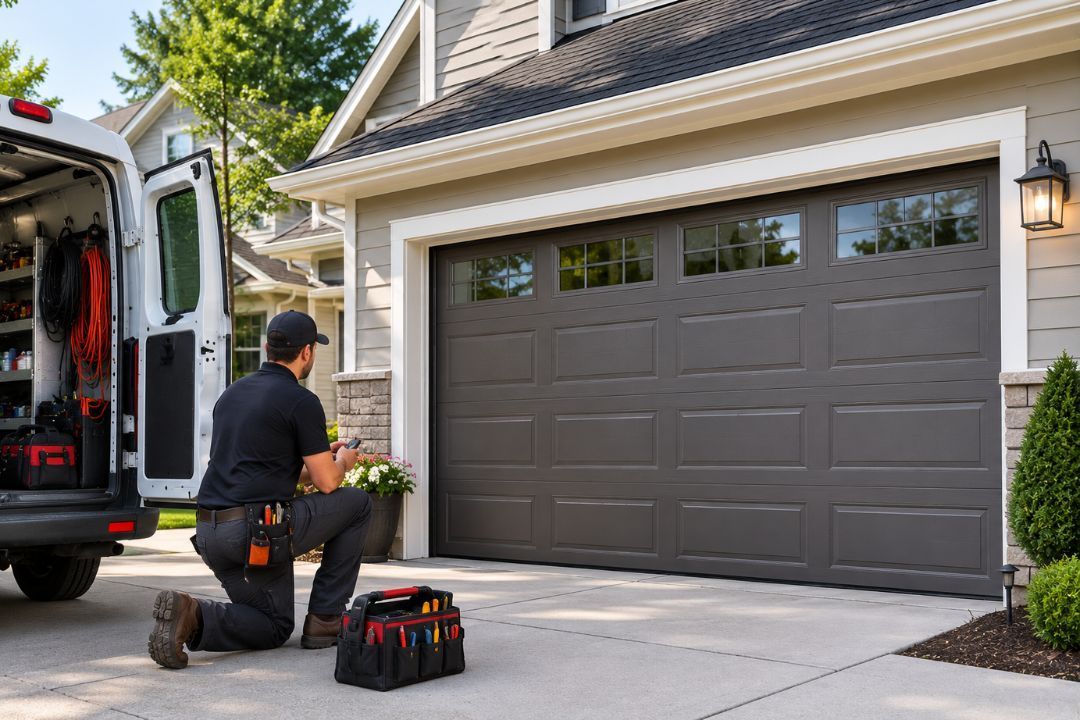
Working with Property Management Companies: Our Garage Door Warranty Process
Garage door services for property managers work best when they confirm coverage before repairs begin. Record the problem and the property, gather purchase and installation records, read the written warranty terms, then contact the service provider. Confirming coverage first keeps owners informed and helps avoid surprise invoices.
Fayetteville Garage Door Co. works with property management groups across Northwest Arkansas. Its website does not publish a step-by-step warranty process, so the steps below are general industry practice.
How Does the Garage Door Warranty Process Work?
Most claims follow five steps: identify the issue, check the paperwork, contact the right provider, confirm coverage in writing, and schedule the repair. The right provider depends on who issued the garage door warranty.
The company lists itself as a home warranty service provider for qualifying needs covered under a home warranty plan. That is the only warranty role its site describes, so ask for written terms.
What Should Property Managers Check First?
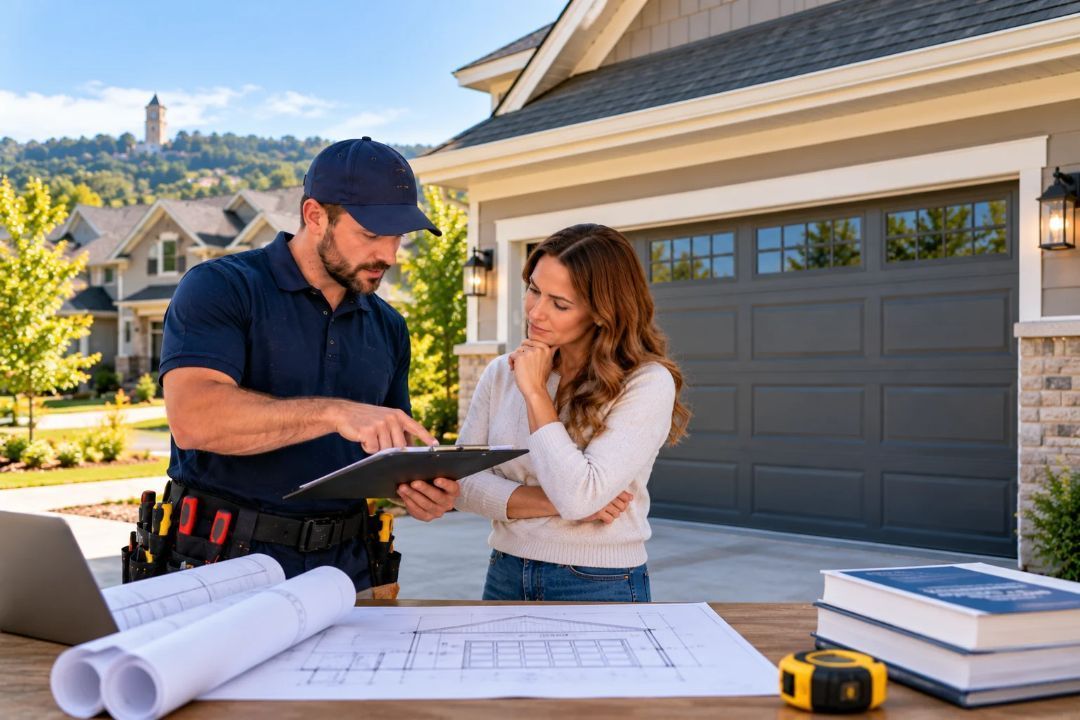
Start with the property address, door location, and the date the problem began. Then pull every purchase, installation, and warranty documentation record for that door. Note the unit number, the door's age, and what the door actually does. Photograph damage from a safe distance, and keep tenants away from a door with a broken spring or one that is off track.
What Does a Garage Door Warranty Cover?
Coverage depends on the manufacturer, product, component, and written terms.
Parts coverage and
labor warranty terms are often separate, so read the document and check
warranty exclusions. A
manufacturer warranty typically addresses product defects, while an installer covers workmanship. Service agreements often bill repairs separately, as this guide to commercial garage door maintenance contracts explains. The company's Northwest Arkansas page says its manufacturers stand behind their products, and it stands behind its workmanship. It publishes no terms, so request them in writing.
What Documents Are Needed for a Warranty Claim?
Providers commonly ask for proof of purchase, installation records, and the warranty certificate. Exact requirements depend on the warranty provider. Invoices, maintenance records, earlier service reports, and dated photos also help. Keep one folder per property so the repair history is ready when a claim surfaces.
How Can Property Managers Coordinate Repairs?
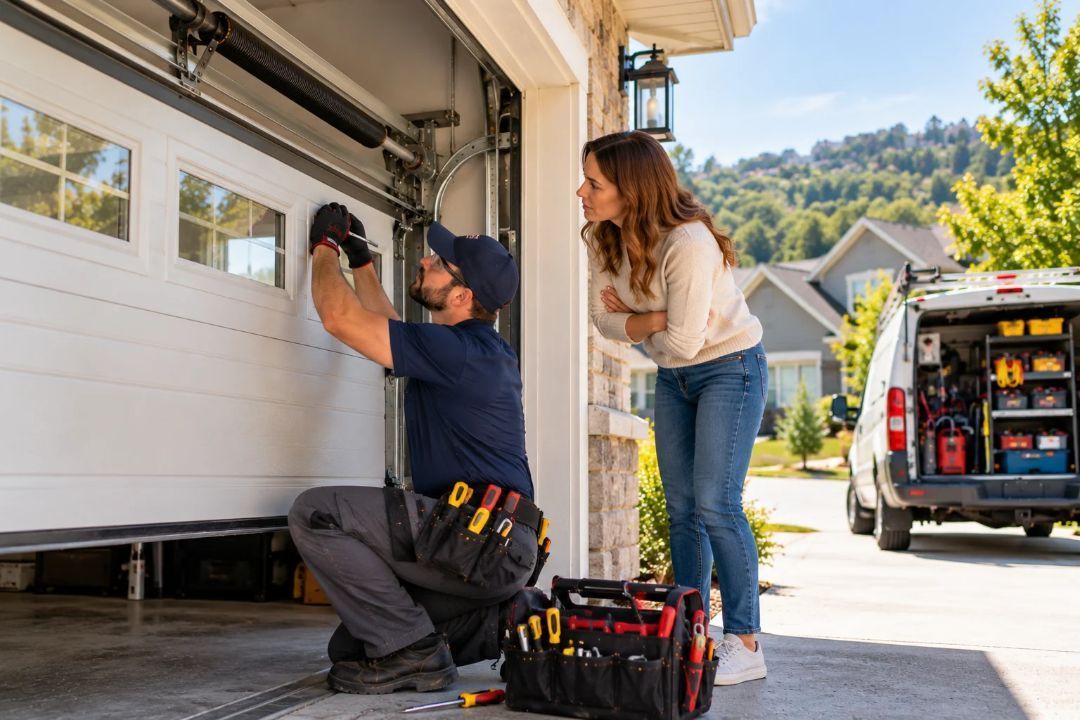
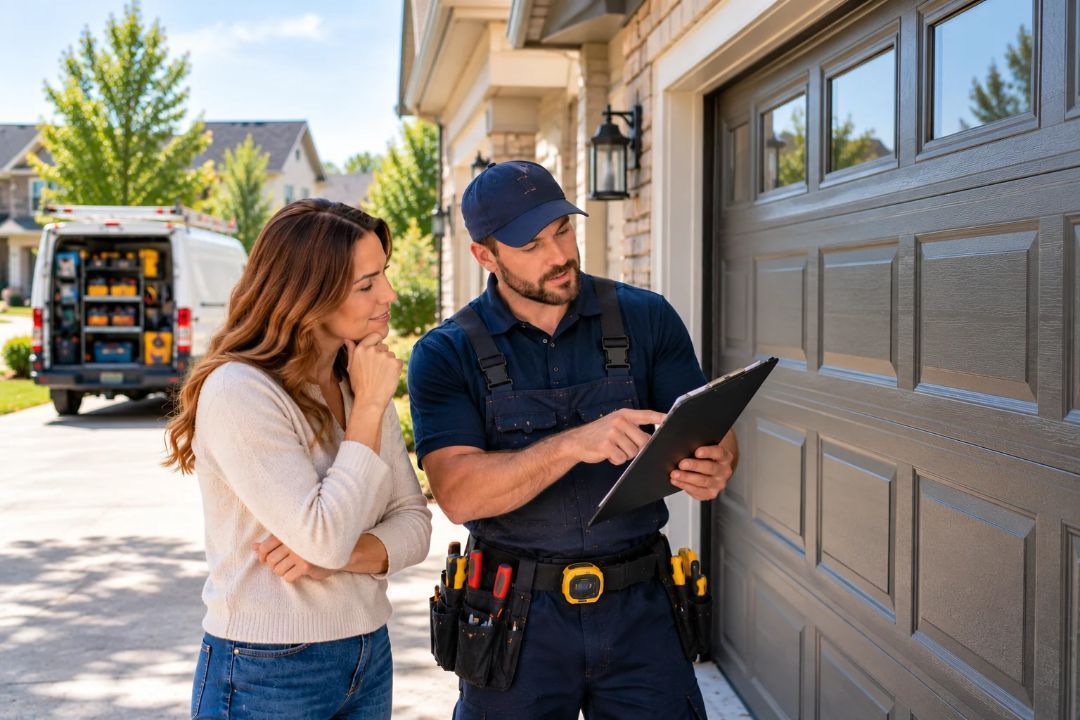
Use one point of contact, one complete request, and one access plan per property. Clear details let the technician arrive prepared. A good service request names the address, unit, symptoms, photos, and who can open the door. For multifamily properties, clear tenant communication prevents wasted visits. Confirm coverage with the owner before authorizing paid work.
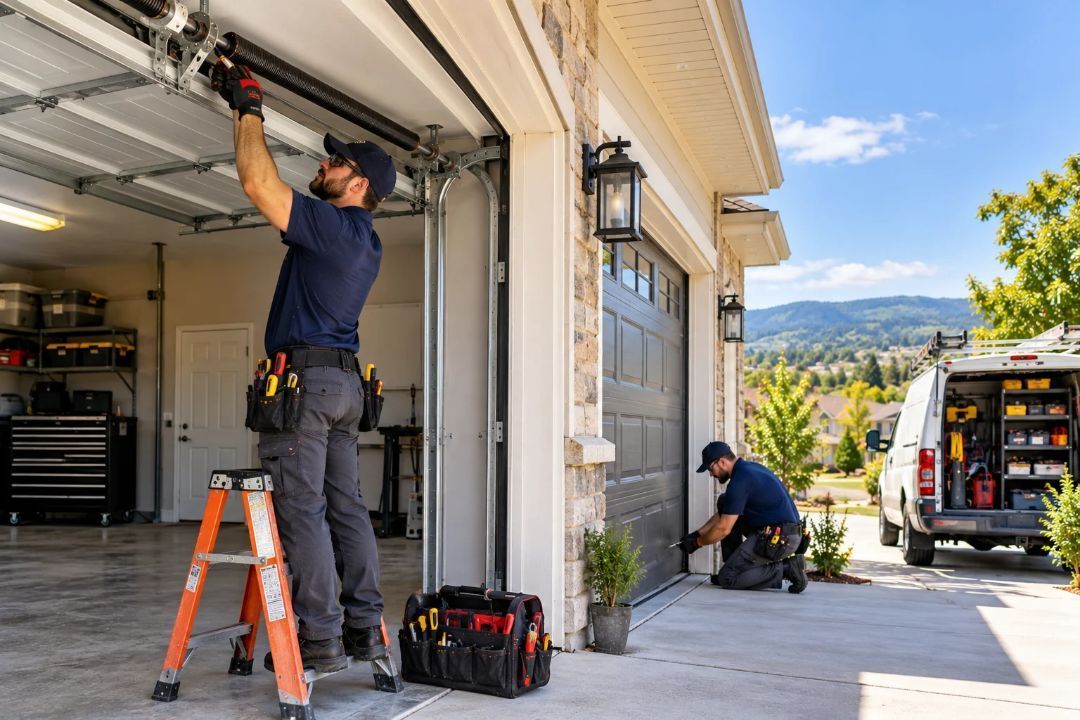
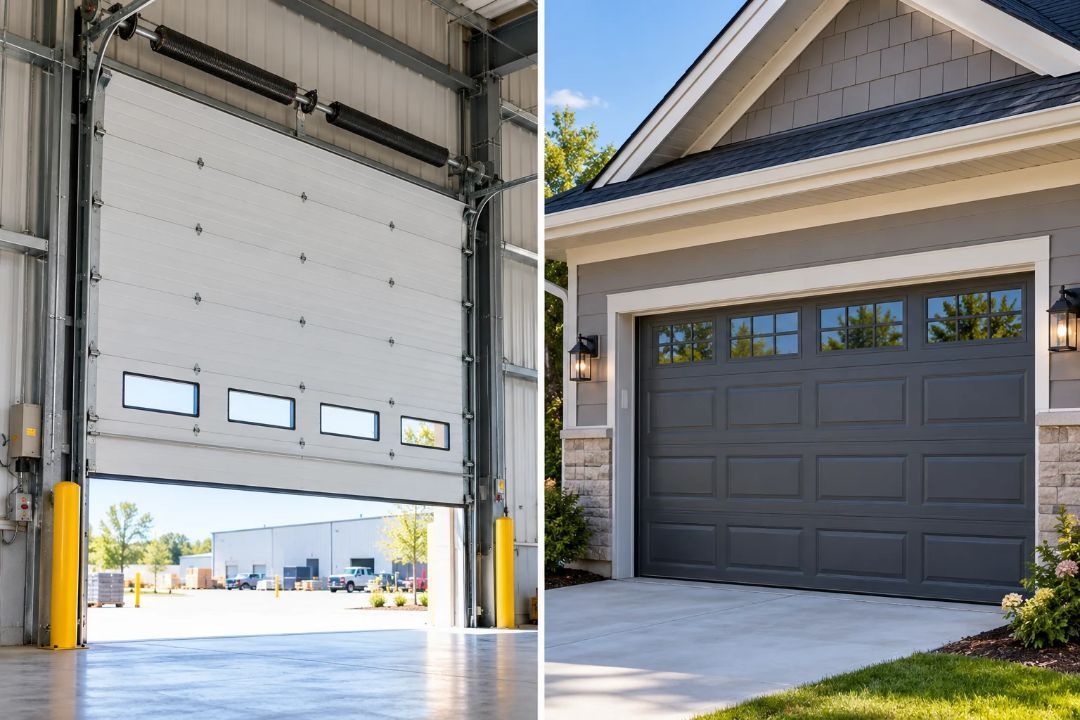
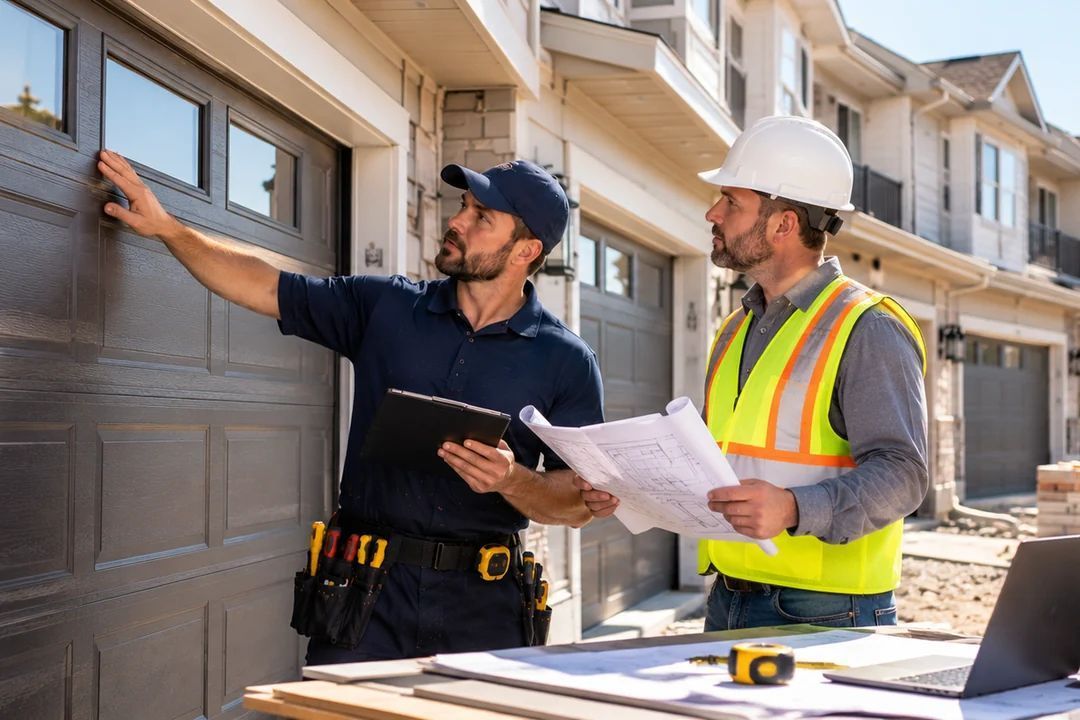
The company's Services page lists garage door services for property managers alongside builders. Its commercial and residential garage door services cover repairs and opener work.
How Can Property Managers Prevent Future Issues?
Schedule preventive maintenance, do quick visual checks, and report unusual noise early. Maintenance helps doors last, but it does not guarantee warranty coverage. DASMA guidance, cited in the company's article on how often commercial garage doors should be inspected, calls for a trained technician to inspect them at least once a year.
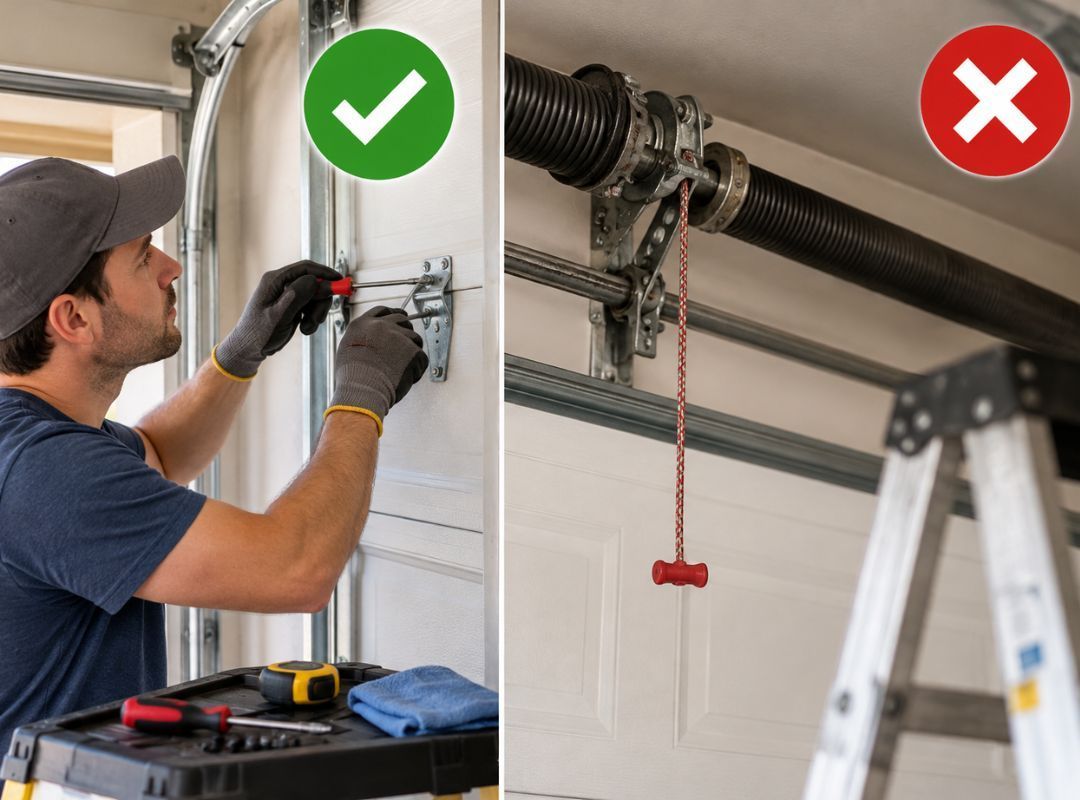
Staff should only look and listen, and never touch springs or cables. The company's DIY garage door repair guide warns that unsafe do-it-yourself work can void warranties.
What Happens After a Warranty Service Visit?
Review the completed work, record the replaced parts, and file the service documentation. Confirm any post-service follow-up before the technician leaves. Ask for a written report and update the repair history the same day. The company does not publish its post-service procedure, so ask when you schedule. Clean records also make it easier for property managers to compare garage door services.
Conclusion
Before a garage door fails, get your warranty paperwork, property details, and service provider in order. Confirm coverage in writing, keep a single repair history for each property, and report issues early so owners stay informed and invoices stay predictable.
Property managers with buildings in Fayetteville can browse garage door service options or reach out through the contact page. Send over your property details and any warranty documents, and we’ll help clarify which terms apply.
Contact Fayetteville Garage Door Co. before approving any paid work. Solid records and early questions make garage door management much simpler.
Frequently Asked Questions
What is usually covered by a garage door warranty?
A garage door warranty usually covers defects in specific components, but the written terms decide what counts. Wear and impact damage are often excluded.
Does a garage door warranty cover labor and parts?
Not always, because parts coverage and labor coverage are often separate. The written warranty or service agreement says which applies.
What documents do you need for a garage door warranty claim?
Most claims need proof of purchase, installation records, and the warranty certificate. The warranty provider sets the exact requirements, so confirm them first.
Can regular garage door maintenance affect warranty coverage?
It can, depending on the warranty terms, but maintenance does not guarantee coverage. Keep dated maintenance records and check the manufacturer's written policy.
How should property managers handle garage door repairs across multiple properties?
Use a single point of contact and send one complete service request for each door. Verify coverage before authorizing paid work, and keep a repair history for every property.