Commercial Garage Door Maintenance Contracts: What’s Included and Why It Matters
Commercial Garage Door Maintenance Contracts: What’s Included and Why It Matters
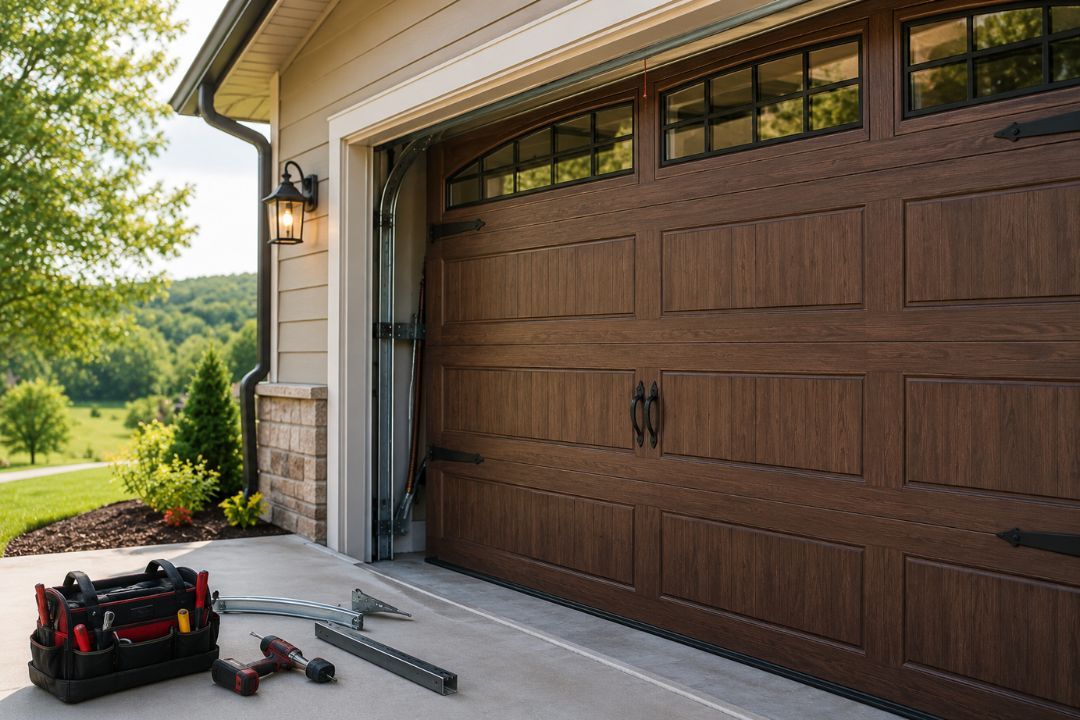
A commercial garage door maintenance contract is an agreement for scheduled inspections and upkeep on your overhead doors, operators, and often your dock equipment. It matters because most commercial door failures give warning signs first. A contract puts trained eyes on those signs before a door quits mid-shift.
The expensive breakdowns rarely come out of nowhere. A cable starts to fray, a spring loses tension, a photo eye gets knocked out of line. Nobody on staff notices until the door sticks open on a Friday evening with a truck waiting at the dock.
What Does a Commercial Garage Door Maintenance Contract Include?
A commercial garage door maintenance contract typically includes scheduled inspections, lubrication, adjustments, and safety testing for each covered door. Many also include a written report on each door’s condition after every visit.
A solid visit usually covers:
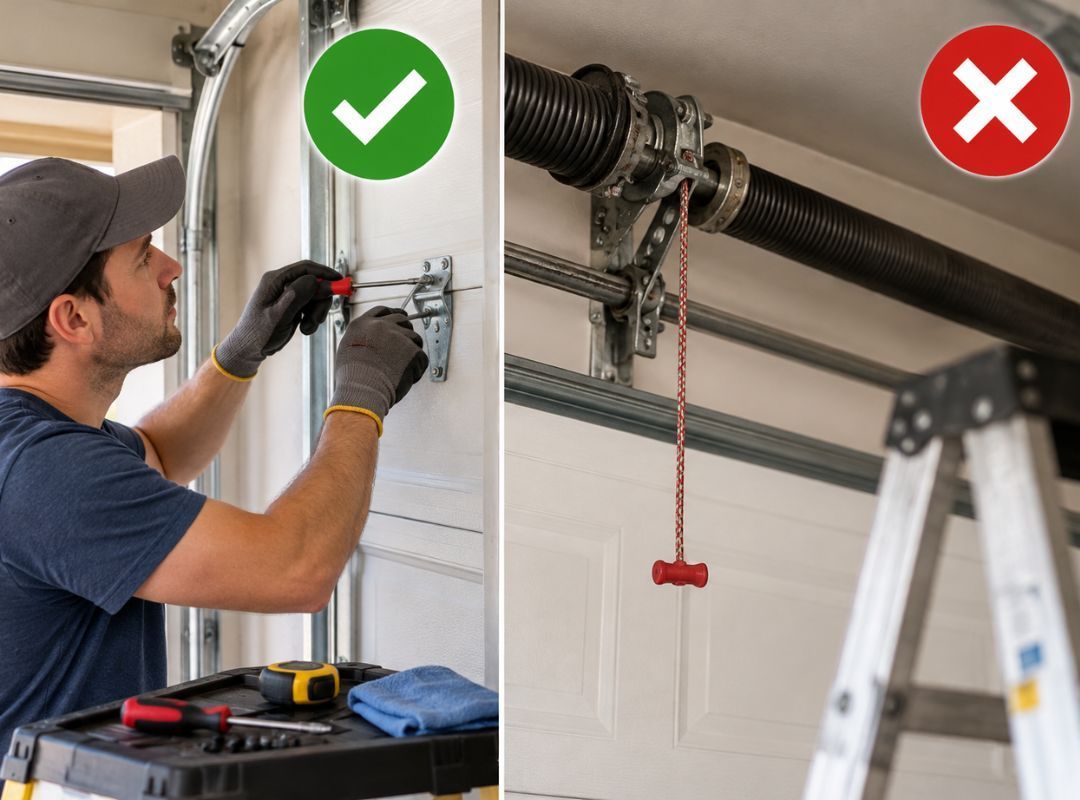
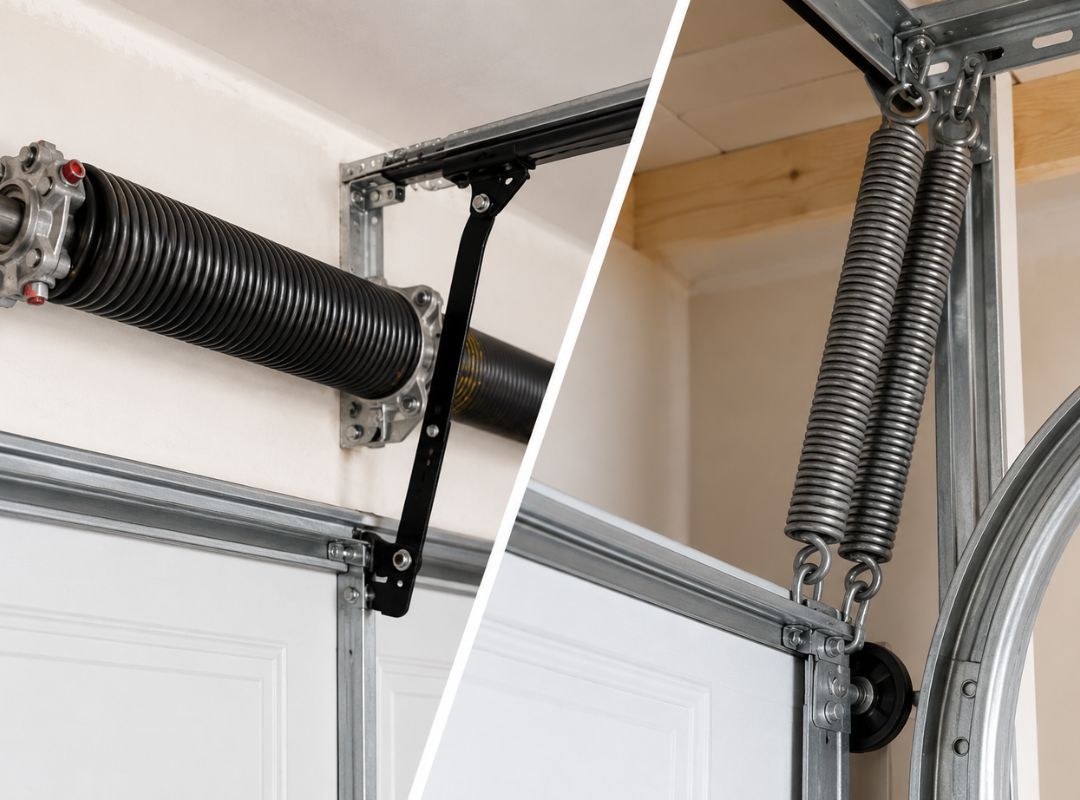
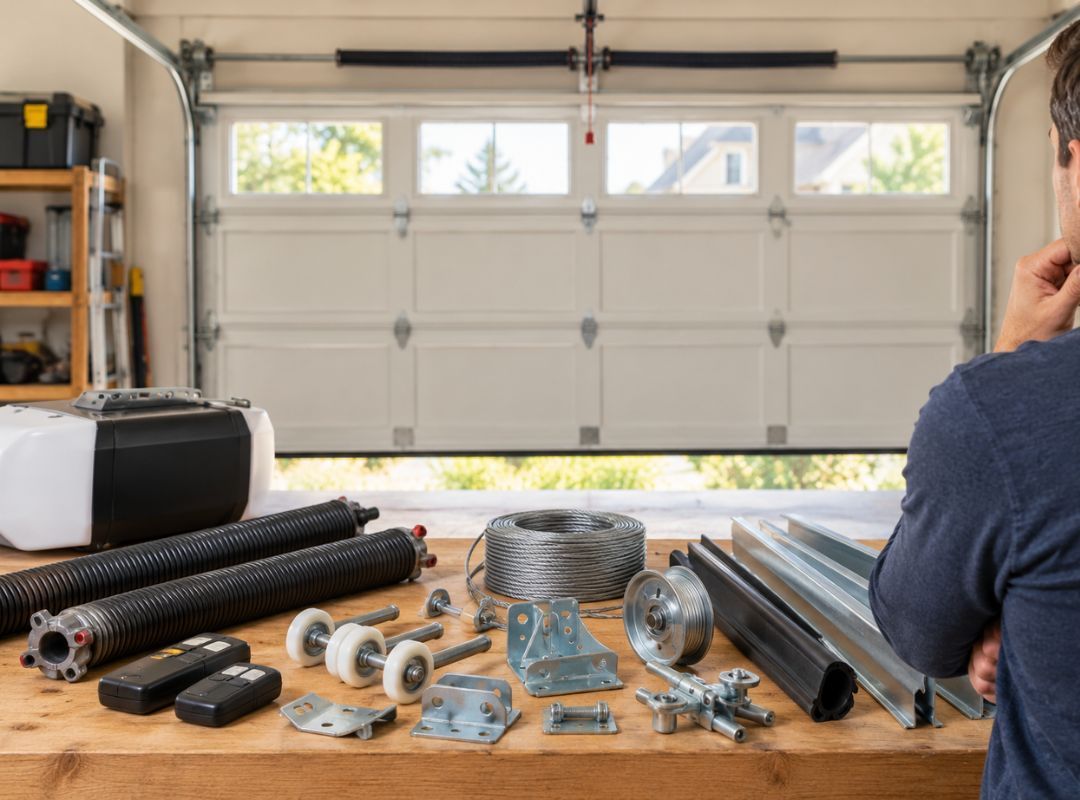
- Springs and cables: Checked for wear, rust, fraying, and correct tension.
- Balance and travel: The door should move evenly without straining the operator.
- Rollers, hinges, and tracks: Cleaned, lubricated, and tightened where hardware has worked loose.
- Operators and safety devices: Photo eyes, reversing edges, and limit settings tested so the door stops and reverses as designed.
- Weather seals and bottom rubber: Inspected for gaps that let in water, dust, and pests.
Some agreements also cover
loading dock equipment like pit levelers, edge-of-dock levelers, and dock seals. If your building has both, one agreement covering everything is easier to manage than two.
What Do Maintenance Contracts Usually Leave Out?
Most maintenance contracts cover the inspection labor, not the repairs that inspection turns up. Replacement parts, impact damage, and after-hours calls are often billed separately.
Forklift strikes are the classic example. A bent panel or a curtain knocked out of its guides is damage, not wear, and few agreements treat it as routine maintenance.
Read the exclusions line by line. A contract that looks cheap can cost more than a more expensive one if it leaves out what your doors actually need.
How Often Should Commercial Garage Doors Be Serviced?
Service frequency should follow how hard each door works. A door that cycles all day in a warehouse or distribution center needs more frequent visits than a back door that opens a few times a week.
That is why a good agreement is built door by door, not building by building. A distribution center might have high-cycle dock doors next to a rarely used rolling steel door on a storage room. They should not be on the same schedule.
Fire doors are the exception to the “it depends” rule. NFPA 80, the standard for fire doors, calls for inspection and testing every year, and a fire inspector can ask to see the records.
Is a Maintenance Contract Worth It for Every Business?
No. A contract pays off when a stuck door would stop work, leave the building unsecured, or put people near a failing spring. A small shop with one lightly used door may do fine calling for service as needed.
Count the doors your business cannot run without. If a dock door stuck open overnight means lost inventory, a cold building, or a missed shipment, scheduled maintenance is cheap insurance.
If the door stuck open is a storage closet, the math changes. Pay-per-visit service is a reasonable choice there, and a good door company will tell you so.
What Should You Ask Before Signing a Maintenance Contract?
Ask exactly which doors are covered, what happens at each visit, and how repairs are priced once a problem is found. Get the answers in writing before the first visit.
Useful questions include:
- Is there a list of every covered door, including dock equipment, counter shutters, or security grates?
- Do we get a written condition report after each visit?
- Are parts and repair labor included, discounted, or billed at regular rates?
- What counts as an emergency, and how are after-hours calls handled?
- Can we adjust the schedule if a door’s use changes?
Frequently Asked Questions
1. What is a commercial garage door maintenance contract?
A service agreement for scheduled inspections, lubrication, adjustments, and safety testing on a business’s overhead doors. The goal is to catch worn parts before they cause a breakdown.
2. Does a maintenance contract cover spring replacement?
Usually not. Most contracts include spring inspections, but replacing a worn or broken spring is billed as a repair. Check the exclusions section to be sure.
3. Can a maintenance contract include loading dock equipment?
Yes, many do. Dock levelers, dock seals, and dock doors can often be included in the same agreement as the building’s other overhead doors.
4. What happens if a technician finds a problem during a maintenance visit?
The technician should explain the issue and recommend a repair. You then approve the work, depending on how your contract prices repairs.
5. Should safety devices be tested during maintenance?
Yes. Photo eyes and reversing edges keep a closing door from striking people and equipment, so every maintenance visit should confirm they still stop and reverse the door.
6. Where Can NWA Businesses Get Commercial Door Maintenance?
Fayetteville Garage Door Co. provides preventive maintenance, inspections, and commercial garage door repair for businesses across Northwest Arkansas, Southwest Missouri, and Eastern Oklahoma. We have served the region from Fayetteville since 1972.
That includes warehouses, retail buildings, auto shops, and storage facilities in Fayetteville, Springdale, Rogers, and Bentonville. Please tell us how many doors you run and how hard they work.
Contact our team or call 479-521-7877 to talk through a maintenance plan for your building.