DIY Garage Door Repair: What’s Safe to Fix Yourself and What Isn’t
There is something satisfying about fixing things around the house yourself, and a squeaky or sluggish garage door can feel like an easy weekend project. But DIY garage door repair covers a wide range of difficulty, and knowing where the line sits between a simple fix and a genuine safety hazard matters more than most homeowners realize.
Some tasks are reasonable for a Saturday afternoon. Others involve enough stored tension to cause serious injury. This guide breaks down where that line falls.
Why Some Garage Door Fixes Are Safer Than Others
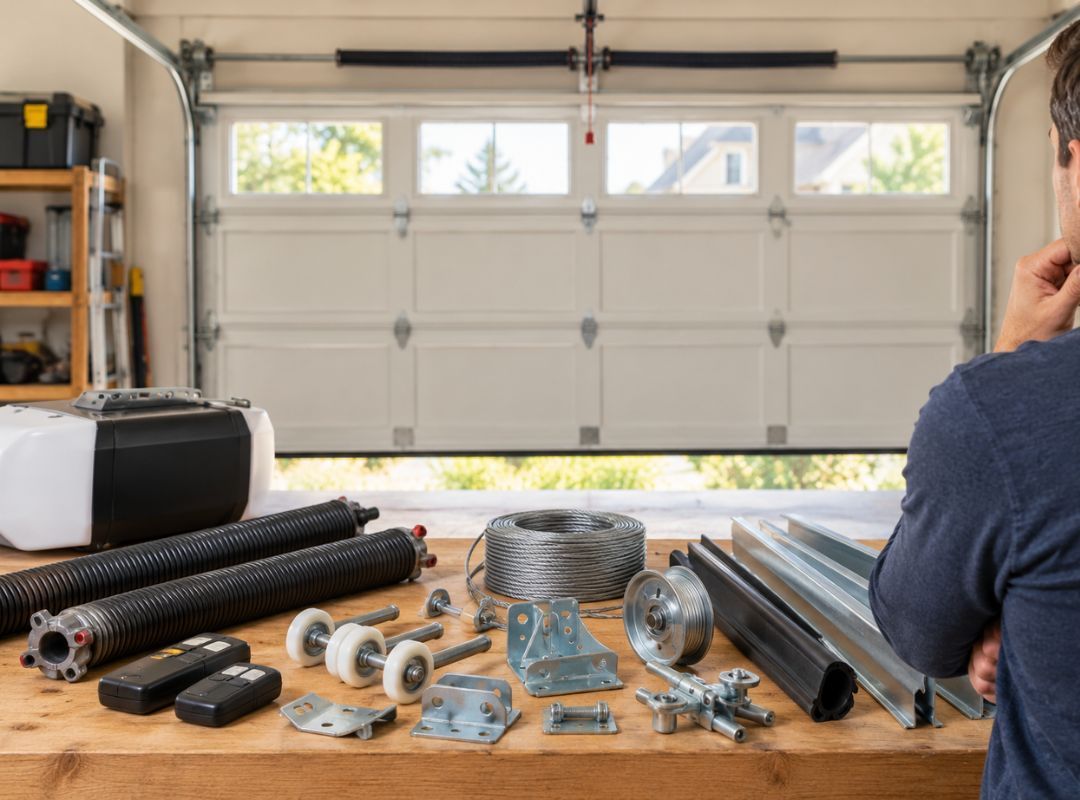
Garage doors combine several systems working together, including tracks, rollers, cables, springs, and an opener. Some parts operate under mechanical tension, while others are mounted or bolted in place.
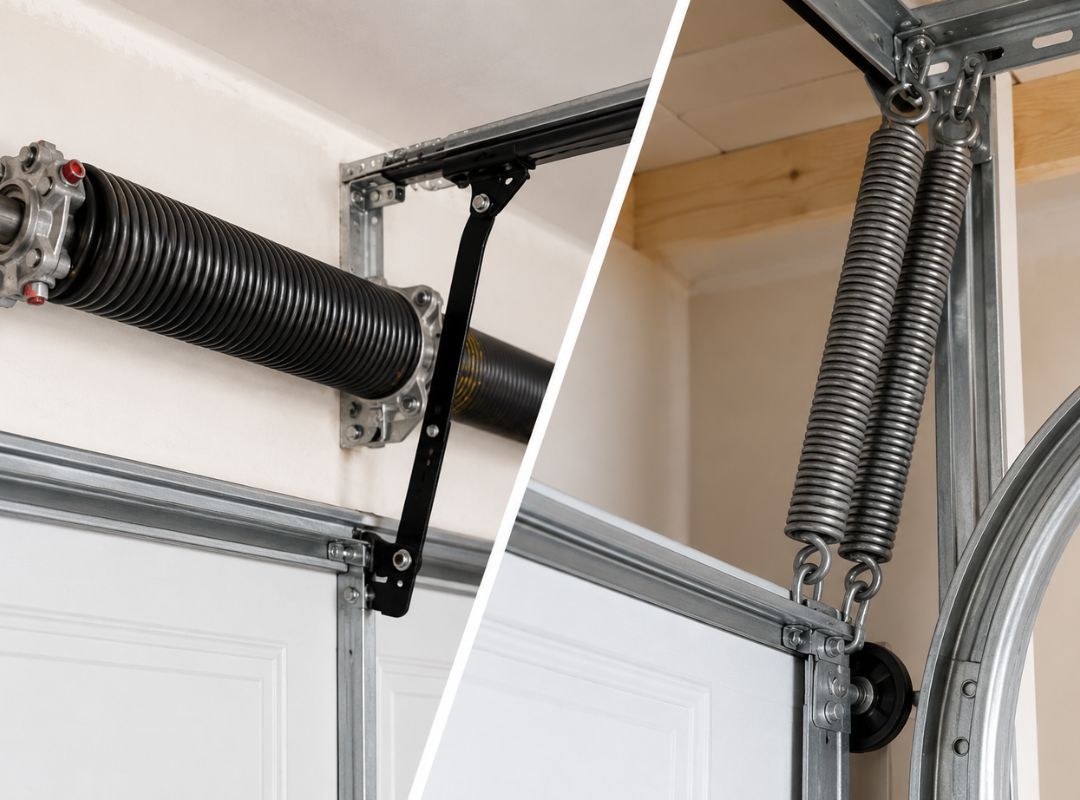
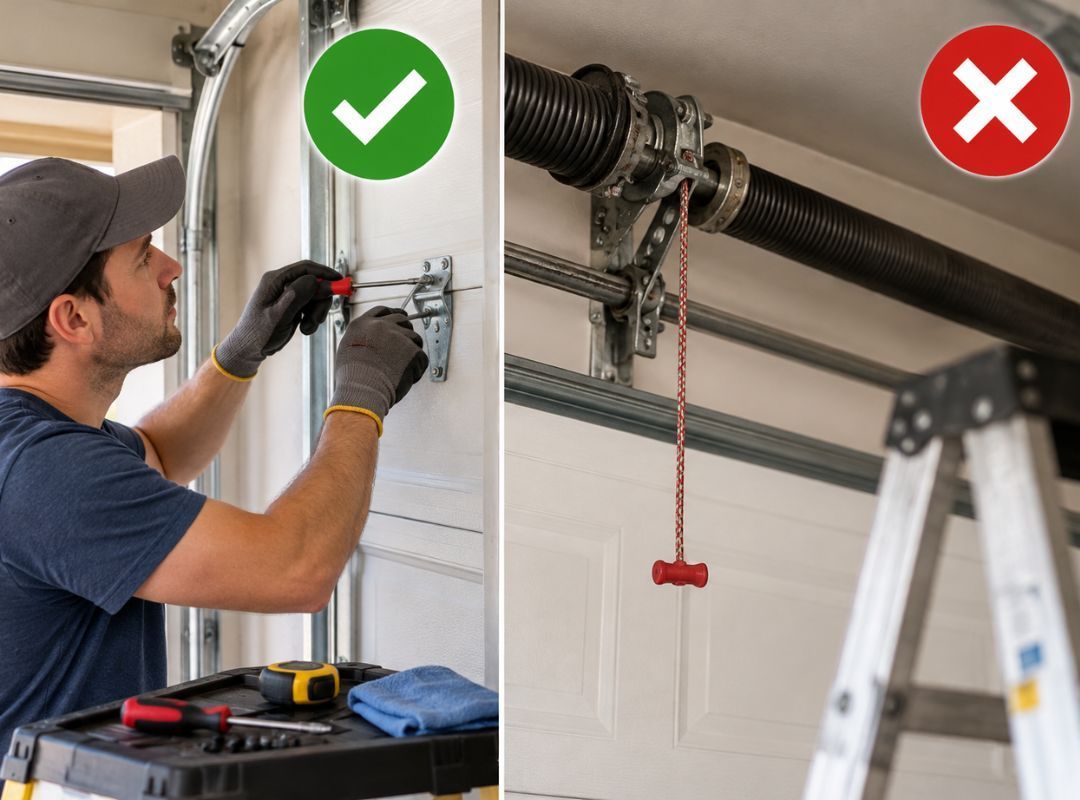
The safe end of DIY garage door repair generally involves parts that are not under load. The moment tension, weight, or spring energy is involved, the risk increases significantly, and that is where professional help becomes the smarter choice.
Repairs That Are Generally Safe to DIY
Lubricating Moving Parts
Rollers, hinges, and tracks benefit from regular lubrication. A silicone-based spray applied every few months keeps the door moving smoothly and quietly, and this is one of the simplest maintenance tasks a homeowner can handle.
Tightening Loose Hardware
Vibration from daily use loosens bolts and screws over time. Walking the door’s hardware with a wrench and tightening anything that has worked loose is a quick, low-risk task that prevents bigger problems down the road.
Cleaning Tracks and Sensors
Dirt and debris buildup on the tracks can cause the door to stick or run unevenly. Wiping down the tracks and the small photo eye sensors near the bottom of the door often resolves minor performance issues without any special tools.
Replacing Weather Stripping
The rubber seal along the bottom of the door wears out over time, letting in drafts, pests, and moisture. Replacing it is a straightforward task that most homeowners can complete with basic tools.
Repairs Best Left to a Professional
Spring Replacement or Adjustment
This is the single most important item on the list. Springs store enormous tension to help lift the door, and a homeowner asking Is it safe to replace a garage door spring myself should know that the answer is almost always no. The stored energy can cause severe injury if released improperly.
Cable Repair
Cables work directly alongside the spring system and carry similar risks. A frayed or snapped cable under tension can whip suddenly, and handling it without proper training and tools is not worth the risk.
Opener Motor and Circuit Board Issues
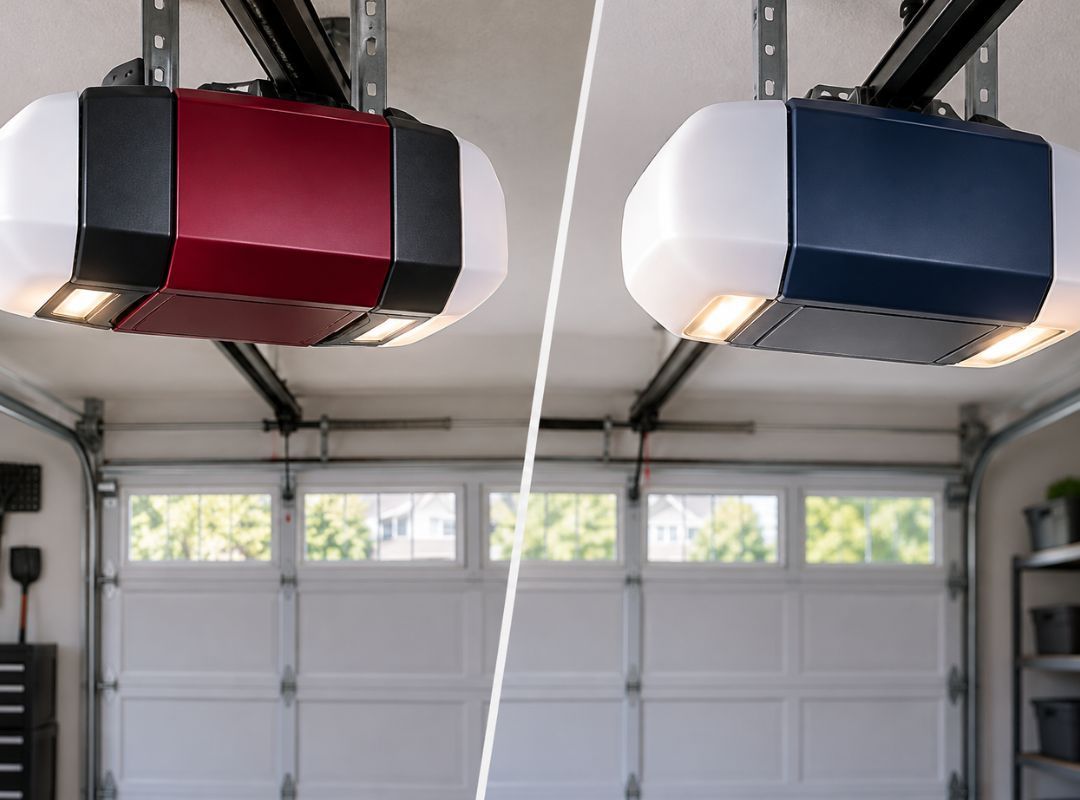
Electrical components inside the opener unit require specific diagnostic knowledge. Attempting to troubleshoot wiring or circuit boards without experience often leads to further damage or an opener that stops working entirely.
Off Track Doors
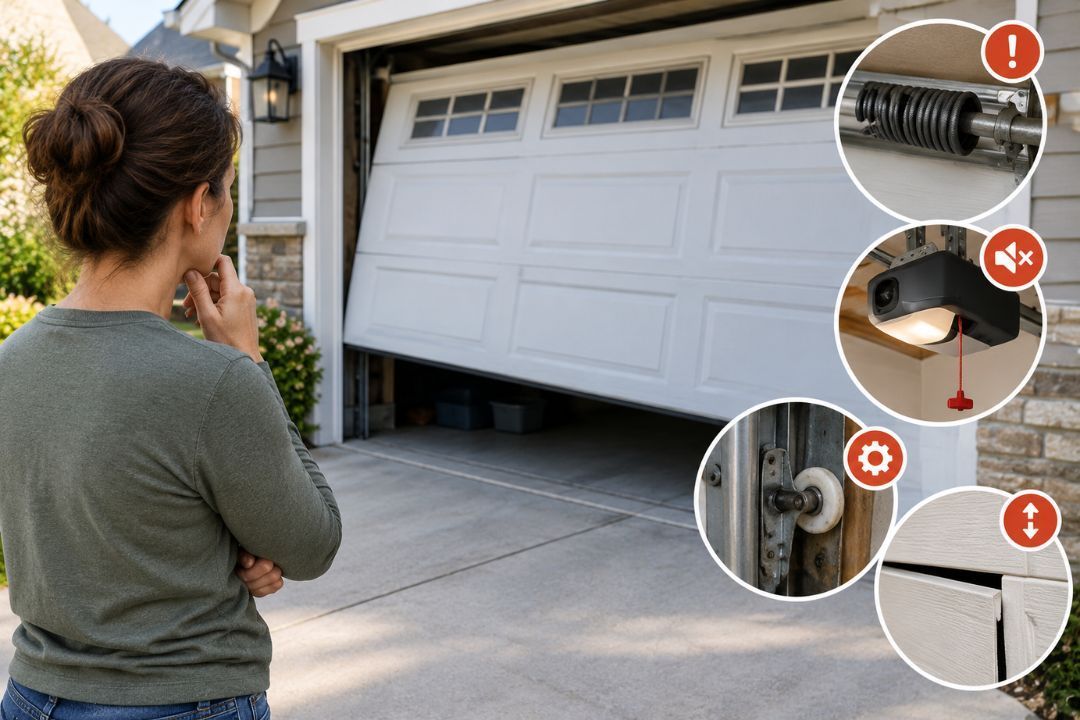
A door that has jumped its track is under significant mechanical stress and can shift unexpectedly while someone tries to reposition it. This is a common question we hear: can I fix a garage door that came off track myself? The safest answer is to call a technician with the right equipment to guide it back safely.
How to Know When It’s Time to Call a Professional
If a repair involves anything under tension, electrical wiring, or the door’s structural alignment, it is time to step back. A door that suddenly feels unusually heavy, makes loud popping sounds, or will not stay open on its own is signaling a problem beyond routine maintenance.
Attempting DIY garage door repair on these components not only risks injury; it can also void warranties or cause more expensive damage than the original issue. A small delay in calling for help often turns into a larger repair bill once other parts start compensating for the original problem.
Building a Simple Maintenance Routine
A consistent maintenance habit keeps most doors running well for years. Checking hardware, testing the balance, and cleaning the tracks every few months prevent many failures that require emergency repairs.
Pay attention to how the door sounds and moves. Grinding noises or hesitation before opening are early warning signs worth noting, even if they do not seem urgent yet.
Frequently Asked Questions
What tools do I need for basic garage door maintenance?
A ladder, a wrench set, silicone lubricant, and a soft cloth cover most simple maintenance tasks around the home.
How often should I perform garage door maintenance?
Checking hardware and lubricating moving parts every few months helps catch small issues before they turn into bigger repairs.
Can I paint or repaint my garage door myself?
Yes, exterior painting is generally safe and does not involve any of the door’s mechanical or tension-based components.
Why shouldn’t I try to fix a broken spring myself?
Springs hold significant tension, and releasing that energy improperly can cause serious injury without the right training and tools.
Is it safe to reset my garage door opener remote?
Yes, reprogramming a remote typically involves simple button presses and poses no mechanical risk.
Let Fayetteville Garage Door Co. Handle the Hard Parts
Knowing the boundaries of safe DIY garage door repair protects both your home and your safety. Simple maintenance keeps your door running well, but tension-based systems deserve a trained eye and the right equipment.
If your garage door needs more than a quick tune-up, give our team a call and let us handle the repairs that require real expertise.