Overhead Door vs. Garage Door: Is There a Difference?
Overhead door vs. garage door is mostly a question of vocabulary, not mechanics. Both describe a door that moves up and overhead on tracks. Trade professionals tend to use overhead door for the broader category, including commercial and rolling styles, and garage door for the residential door for vehicles at home.
Is There a Real Difference Between the Terms?
Not in how the door works. Overhead door is the broader trade term, while garage door usually means the residential door on a home. Many contractors use both interchangeably. The overhead door vs. garage door overlap causes confusion because one sectional door can be either word. On a house, it is a garage door. The same style on a shop is often called an overhead door. Neither term is wrong, so do not let the label stop you from asking a question.
What Does Overhead Door Usually Cover?
It usually covers all types of commercial overhead doors, including sectional doors, rolling steel doors, mini-storage doors, and loading dock doors. They all share movement up and out of the opening. The company's commercial garage door services list all four types. If you're looking for an overhead door company in Gentry, AR, compare its experience with commercial door systems, installation options, and repair services before making a decision.
What Does Garage Door Usually Mean?
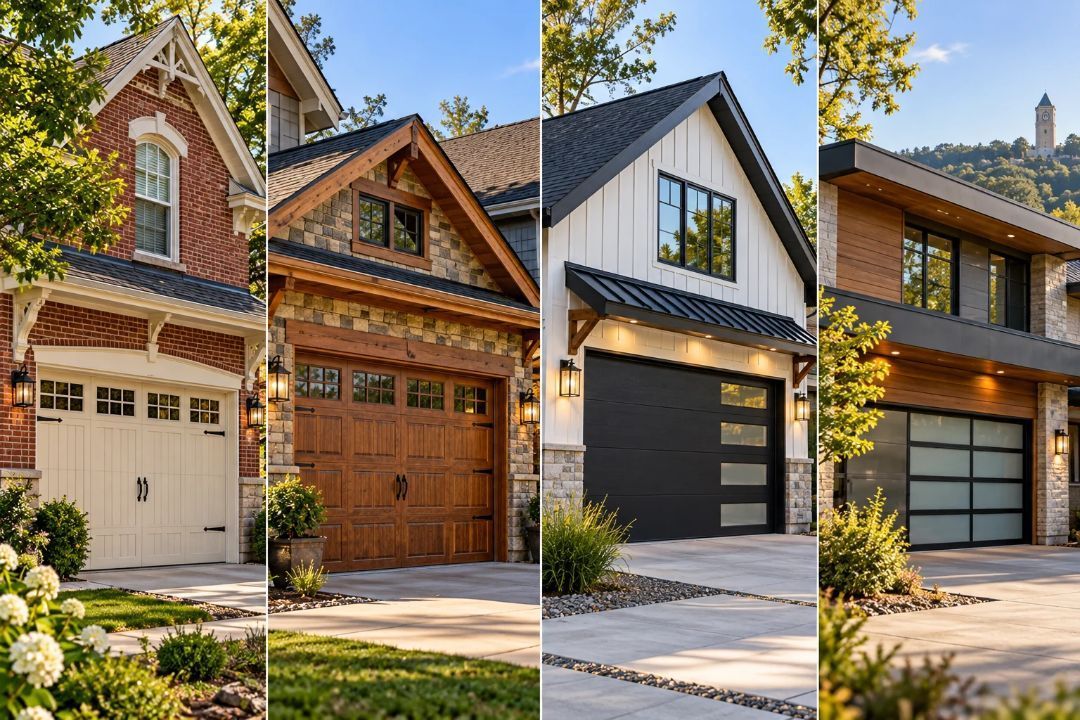
It usually refers to a home's residential garage doors, most often sectional panels paired with a garage door opener. Chain-drive, belt-drive, and smart openers are common choices. The company's residential garage door services cover installation, repair, and opener work. According to its Builders page, styles range from insulated steel to carriage-house and modern designs.
How Do Sectional and Rolling Doors Differ?
A sectional door has hinged panels that travel along
tracks and curve overhead. A rolling door uses slats that coil around a barrel above the opening. Sectional doors need
headroom for the track. Rolling doors need space for the coil. The company's
services page says rolling steel doors suit commercial and industrial openings where durability and security matter.
Do Springs and Openers Change by Door Type?
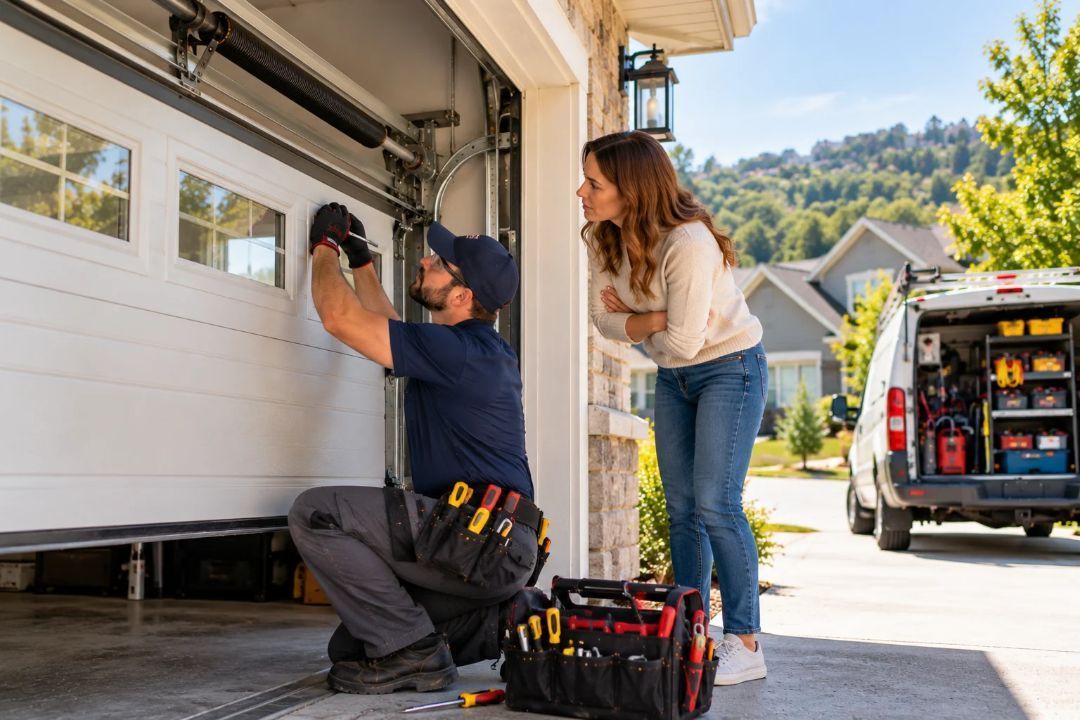
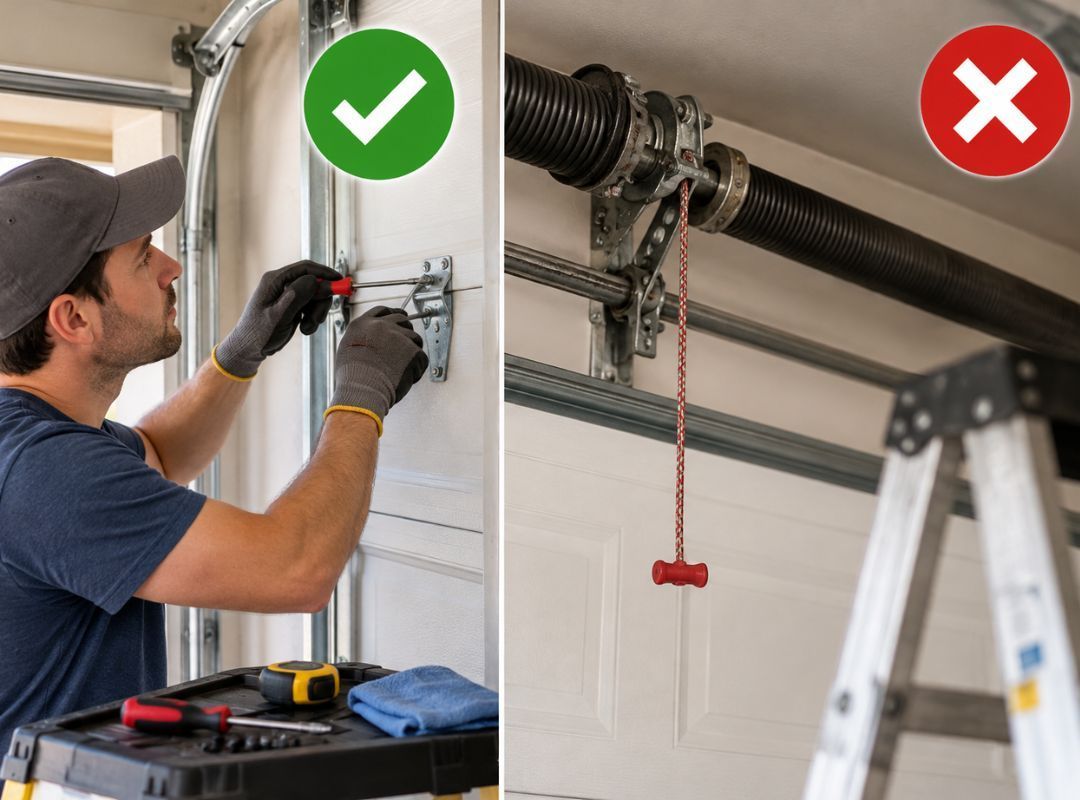
Both types rely on a counterbalance system that carries most of the door's weight, and both use an opener or operator to move it. Commercial doors often use heavier commercial operators. Springs and cables hold dangerous tension. Leave them to a trained technician, as this DIY garage door repair guide explains.
What Problems Show Up in Both Types?
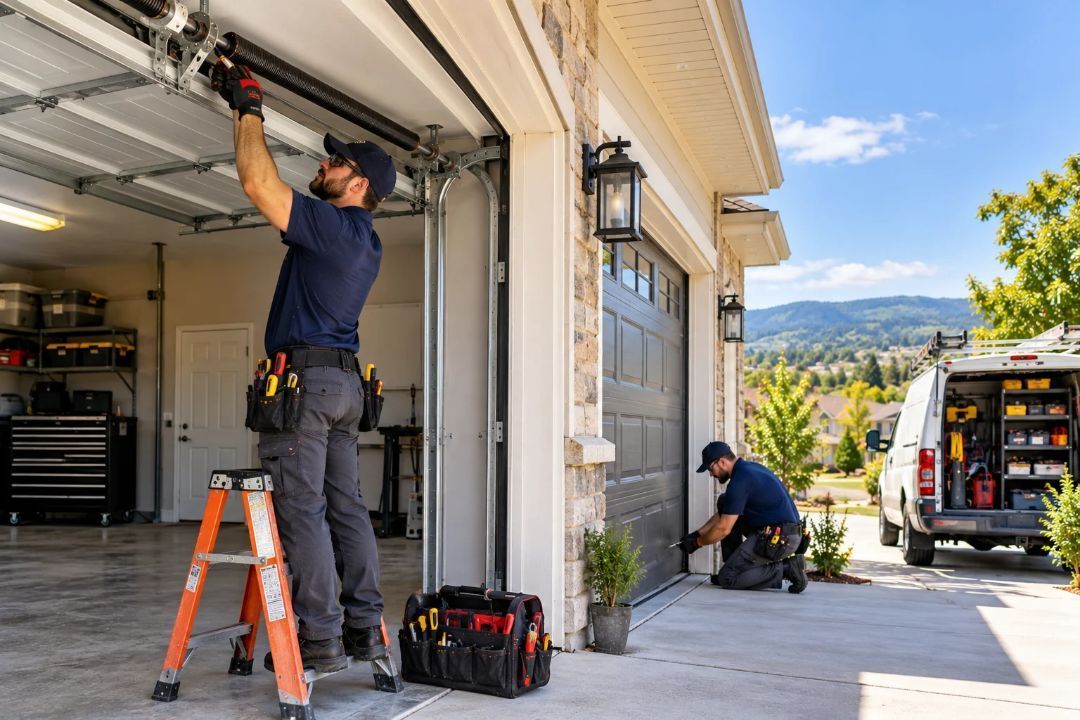
Both share the same wear points: springs, cables, rollers, tracks, and openers. A door that sticks, shakes, or sounds different is giving an early warning. Common issues include broken springs, frayed cables, noisy rollers, and doors that will not close. A door that jumps its tracks is unsafe to run, as this guide to a garage door off track explains.
Why Does the Name Matter When You Call for Service?
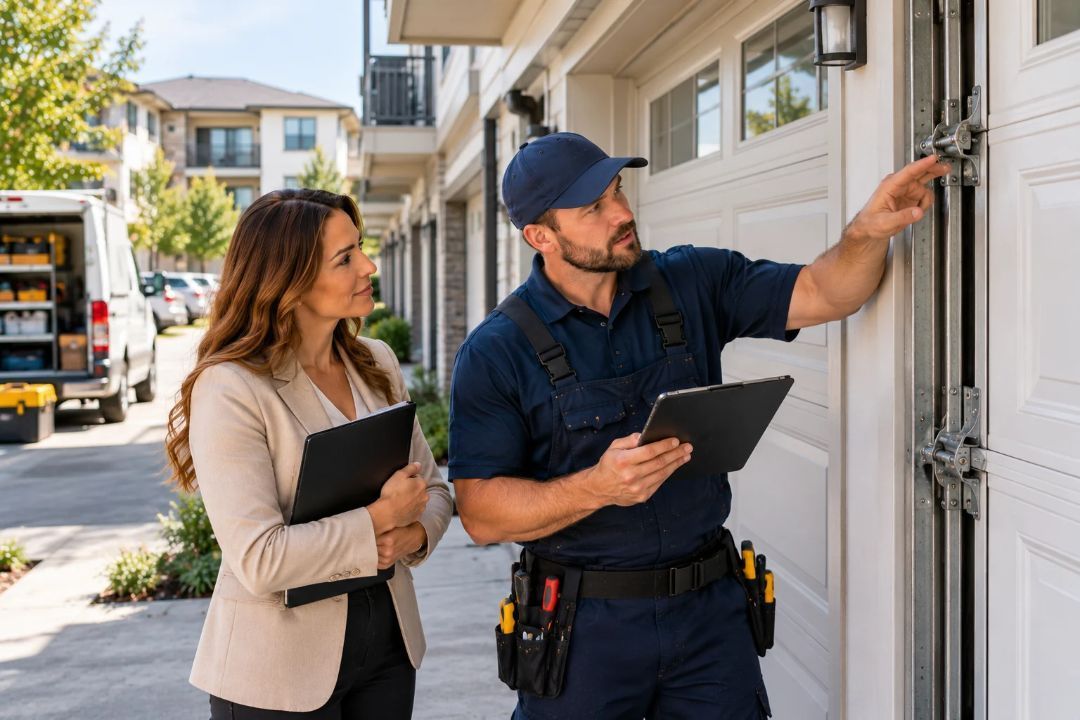
The overhead door vs. garage door label matters less than the details. Tell the technician the building type, door style, size, and symptoms. That helps them bring the right parts. A clear photo of the door, the track, and any damage lets a technician plan before arriving. If the opening is a loading dock, mention the leveler and seals too. The company explains them in its guide to loading dock levelers.
Which Type Fits Your Property?
Homes usually suit sectional garage doors. Warehouses, shops, and storage facilities may call for sectional or rolling steel doors, depending on use, security needs, and headroom. Use matters too. A door that cycles all day wears faster than one opened a few times a week. High-cycle doors need more frequent checks, as the company's guide to commercial garage door inspections explains. A technician can inspect the opening and recommend the right fit for your property.
Conclusion
The difference is mostly context. The tracks, springs, and safety risks stay the same, so careful service matters regardless of the building. Knowing the vocabulary helps you describe the problem and get the right fix. That clarity saves time on every call. Property owners in Northwest Arkansas can call Fayetteville Garage Door Co. or contact the team online to discuss repair, installation, or replacement. The overhead door vs. garage door question ends where the work begins, with a technician who understands your opening.
Frequently Asked Questions
What is a commercial overhead door?
A commercial overhead door is a door built for business openings, such as warehouses, shops, and storage facilities. It may be a sectional door or a rolling steel door.
Are rolling steel doors considered overhead doors?
Often yes, because the term covers doors that open overhead. Rolling steel doors coil above the opening instead of riding on curved tracks.
Do overhead doors and garage doors use the same openers?
Not always. Residential doors use residential openers, while commercial doors often need commercial operators matched to the door's size, weight, and use.
How long does an overhead door last?
A well-maintained steel or aluminum door often lasts 20 years or more. Springs, cables, and openers usually wear out sooner and get replaced along the way. Heavy use can shorten that.
Who repairs overhead doors in Northwest Arkansas?
Fayetteville Garage Door Co. repairs and installs residential and commercial doors across Northwest Arkansas, Southwest Missouri, and Eastern Oklahoma. Contact the team to describe your door.