Garage Door Permits and Codes in Fayetteville, AR: What Homeowners Need to Know
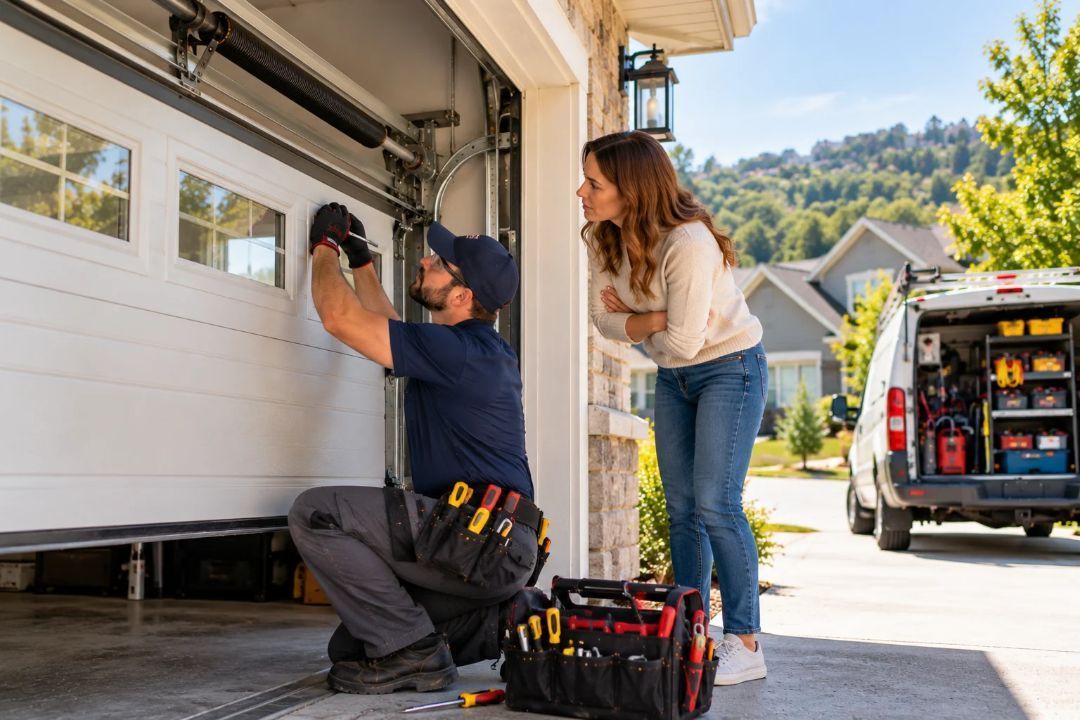
A garage door permit in Fayetteville, AR depends on the scope of the work, not just the product. Swapping a door in the same opening is a different job from widening the opening or adding wiring. Confirm with the city before work begins, because guessing can cost time and money.
Do You Need a Garage Door Permit in Fayetteville, AR?
It depends on the project. Fayetteville's general rule is that an owner or agent obtains a permit before work on a building or structure, with listed exemptions such as painting, playground equipment, and flooring. The city's public guidance does not single out garage doors, so call the Building Safety Division and describe the exact work. Their answer, not a guess, settles it.
Which Garage Door Projects Are Most Likely to Need Approval?
Scope drives the answer. Three situations come up most often.
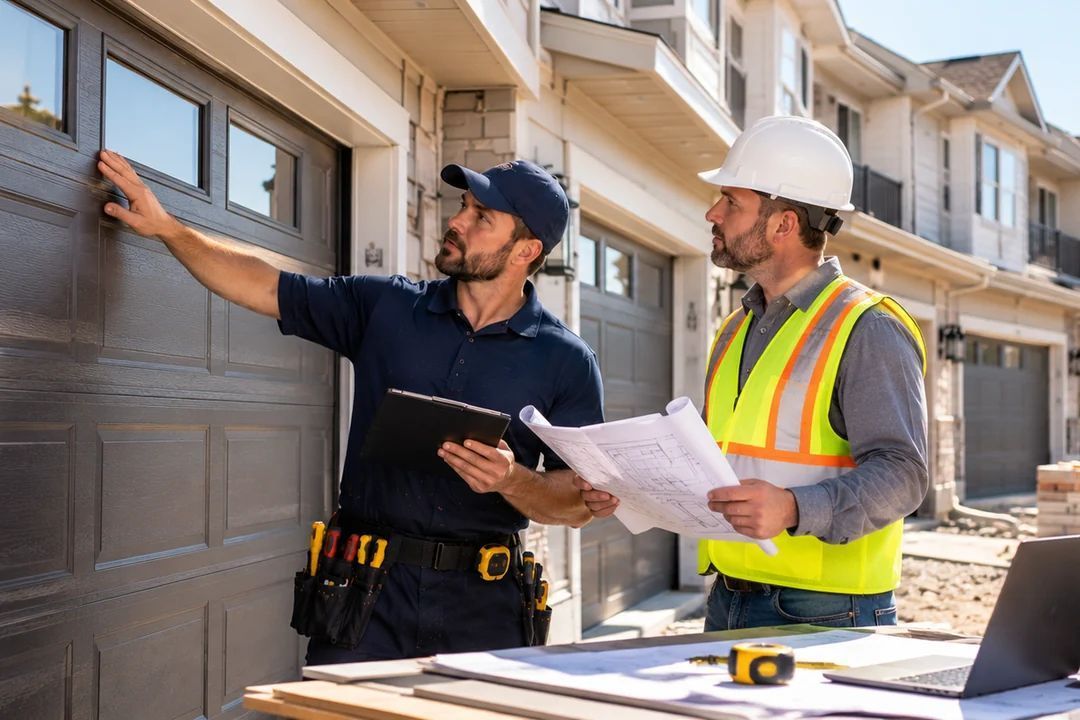
- Changes to the Opening: Widening or raising the opening usually involves the header, framing, and sometimes the load path above the door. That is structural work, and it is the kind most likely to draw a review.
- Electrical Work: A new outlet, a new circuit, or rewiring for an opener counts as electrical work. Fayetteville requires separate permits for electrical systems, so ask before an installer runs new wiring.
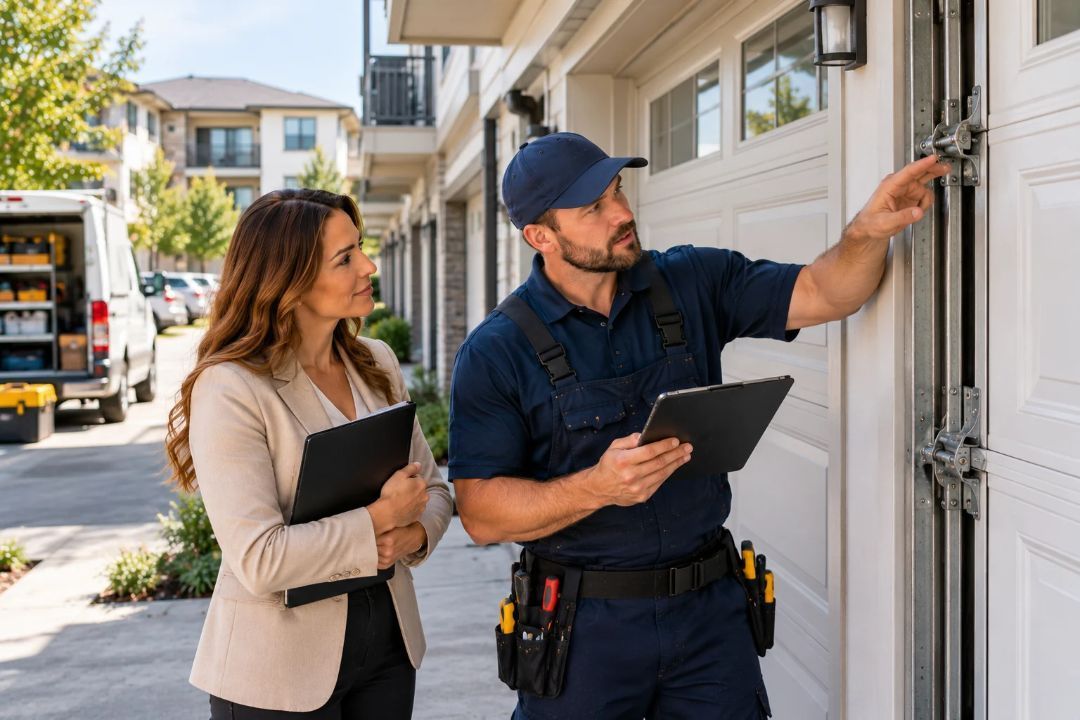
- Like-for-Like Replacement and Repair: A replacement in the same opening or a repair to springs, cables, or rollers falls into a gray area. Do not assume. Ask the city directly, then keep the answer in writing.
Which Codes and Standards Affect Garage Doors?
Several rules touch a garage door even when no permit is involved:
- Opener safety standard: openers follow UL 325, which covers entrapment protection such as photo-eye sensors and auto-reverse.
- Fire separation: model codes like the International Residential Code treat the wall and entry door between an attached garage and the house as a fire separation.
- Energy code: insulated doors and sealed openings matter when the garage connects to living space.
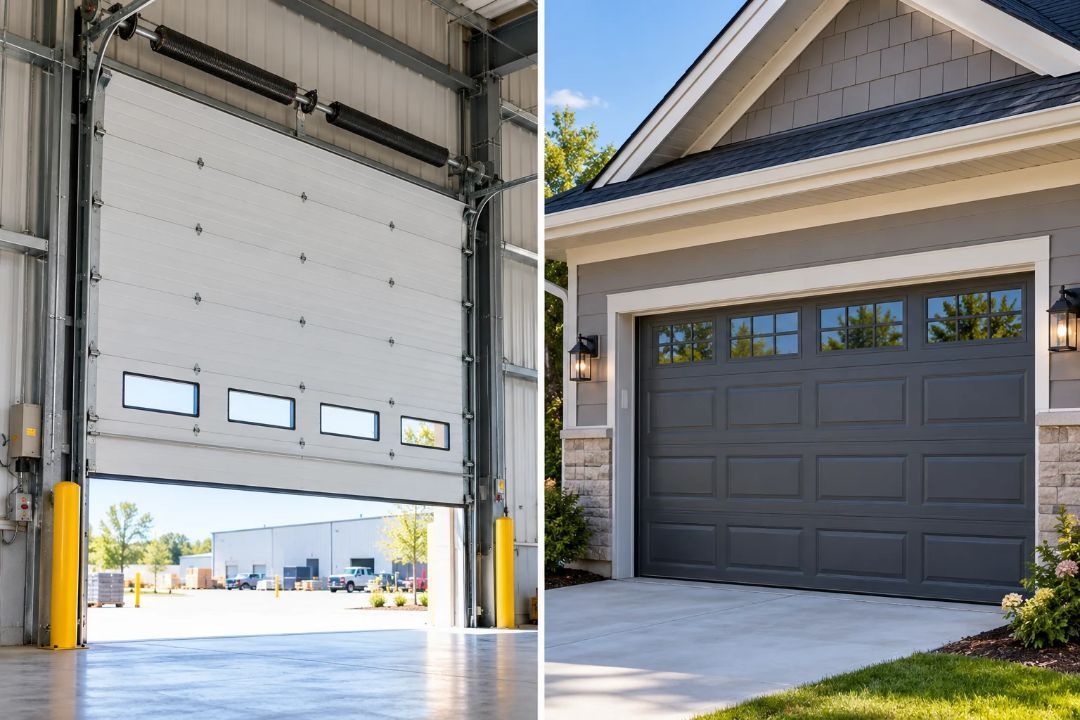
- Wind and weather ratings: some doors carry rated performance for storms.
Your installer should know which of these apply to your door and home.
How Do Safety Rules Apply to Openers?
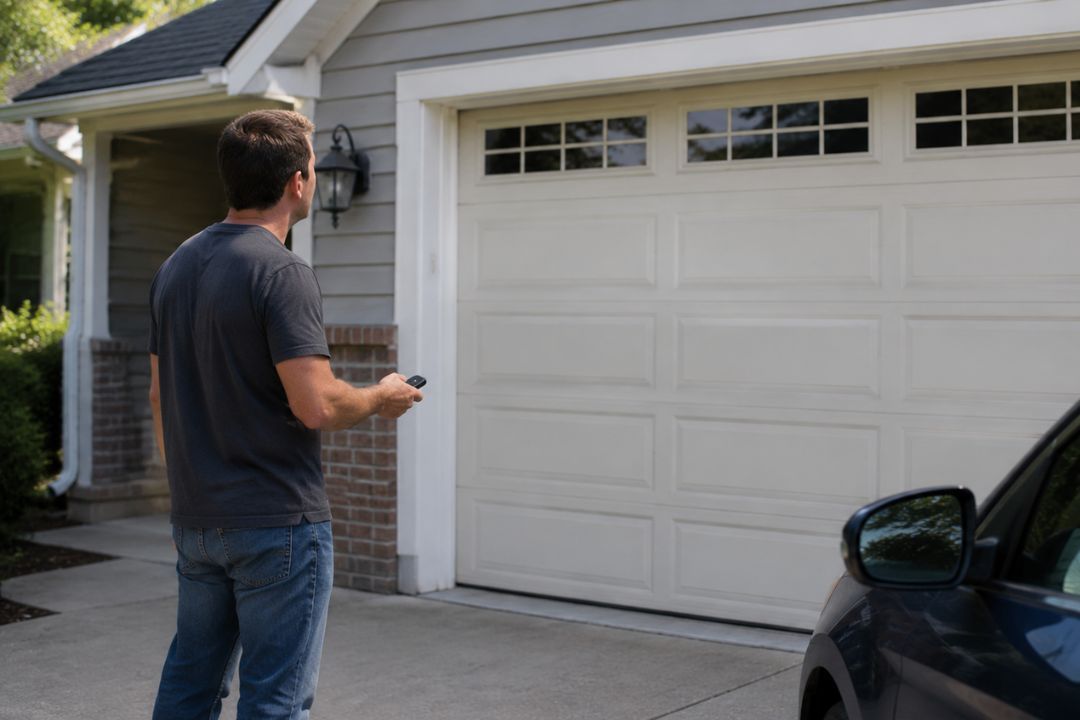
Openers sold in the United States must include entrapment protection. Photo-eye sensors sit near the floor on each side of the door and stop it from closing on a person, pet, or object. If the door ignores an obstruction or the sensors keep tripping, call for service rather than disabling them.
Do HOAs and Historic Districts Add Their Own Rules?
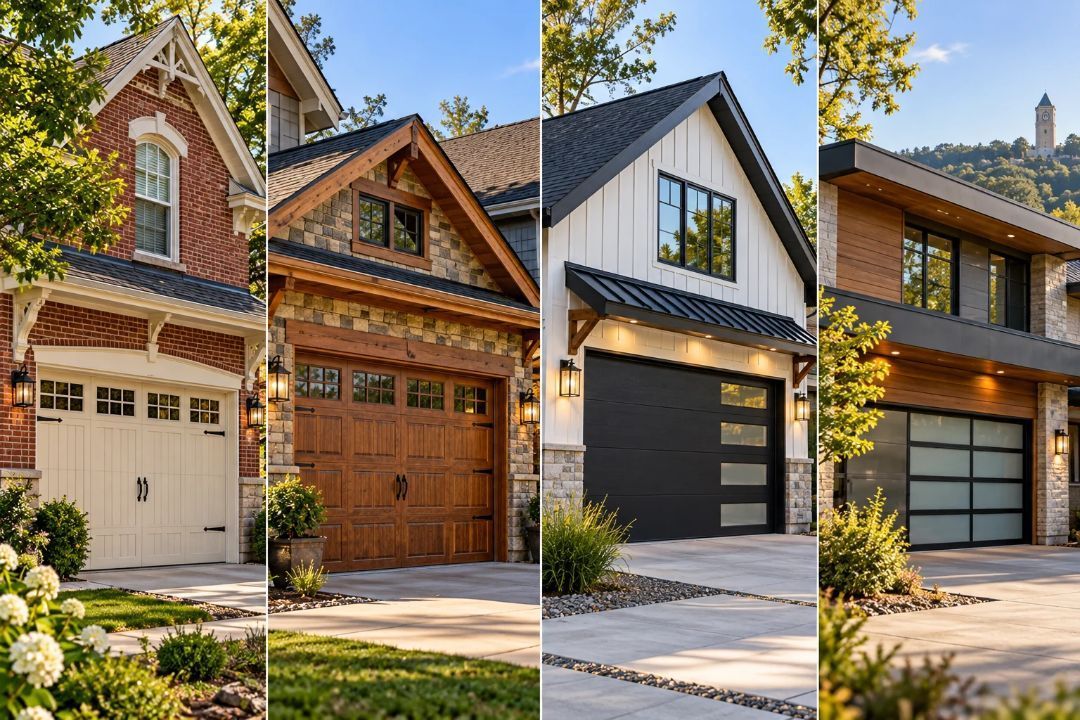
Yes, often. A homeowners association may limit door color, style, or window patterns, and older neighborhoods can have design guidelines. These approvals are separate from a city permit. Having one never replaces the other, so check both before ordering a door.
Who Pulls the Permit, You or the Contractor?
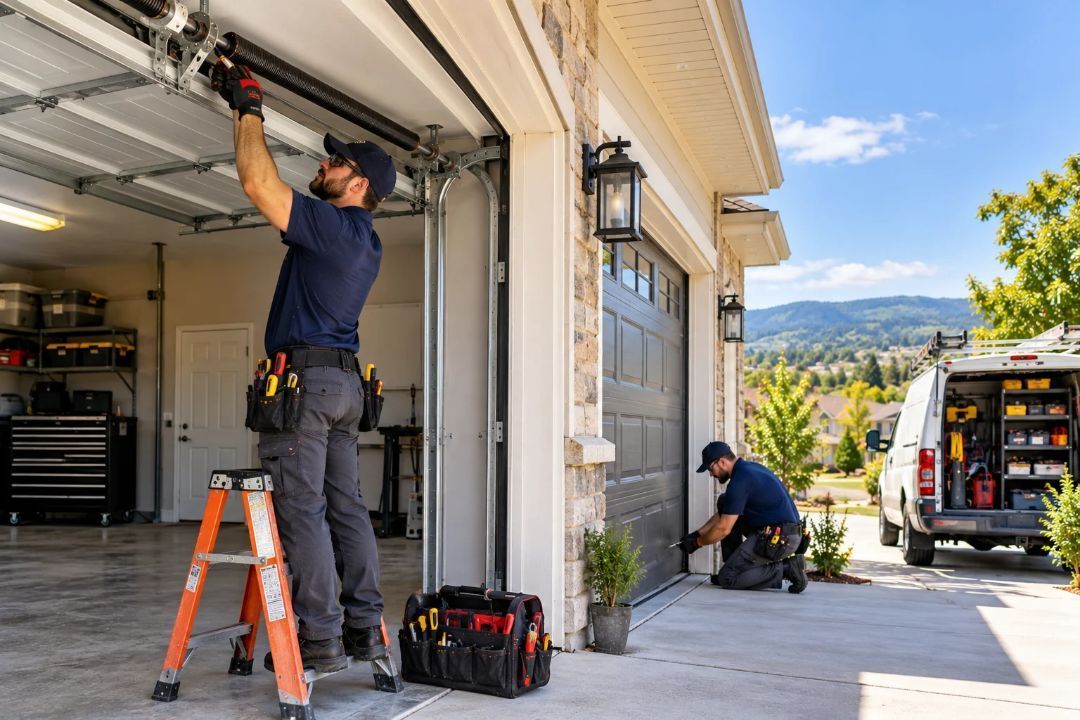
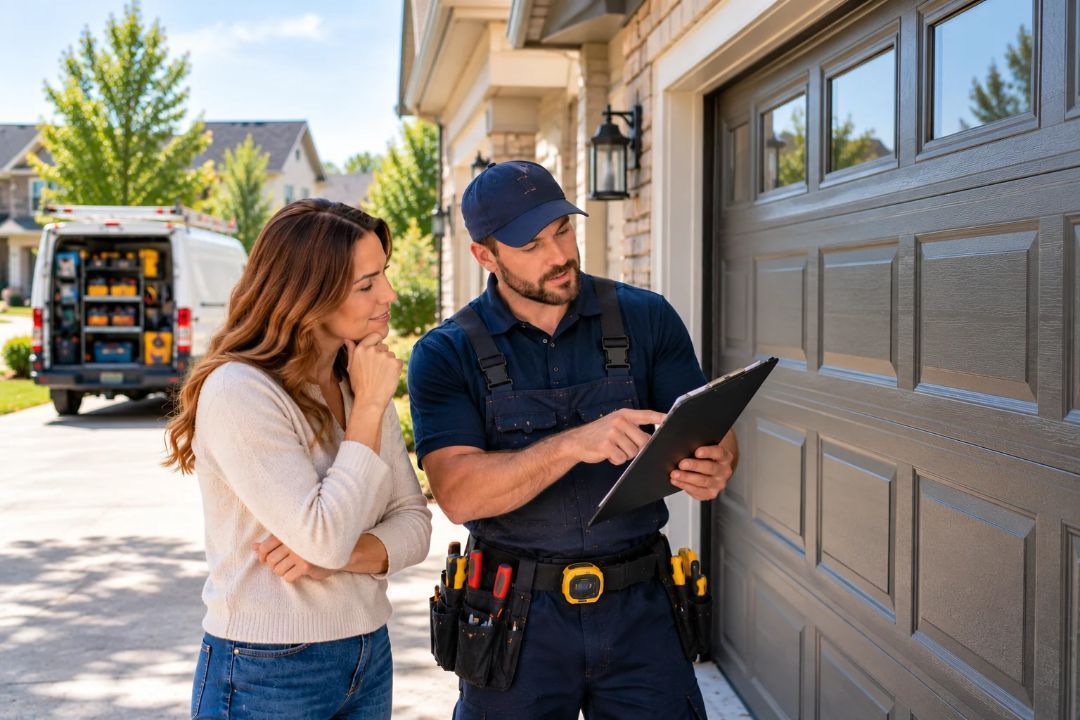
When a permit is required, the contractor often handles it, but ownership of the process varies. Ask who applies, who pays any fee, and who schedules the inspection. Request a copy of the permit and the final sign-off. Also ask to see the contractor's license, and confirm it with the licensing office.
How Can You Check Before Work Starts?
A short routine protects you:
- Describe the project clearly, including size, wiring, and any framing changes
- Ask Building Safety whether a permit or inspection applies
- Check HOA or neighborhood rules in writing
- Get the contractor's answer on permits before signing
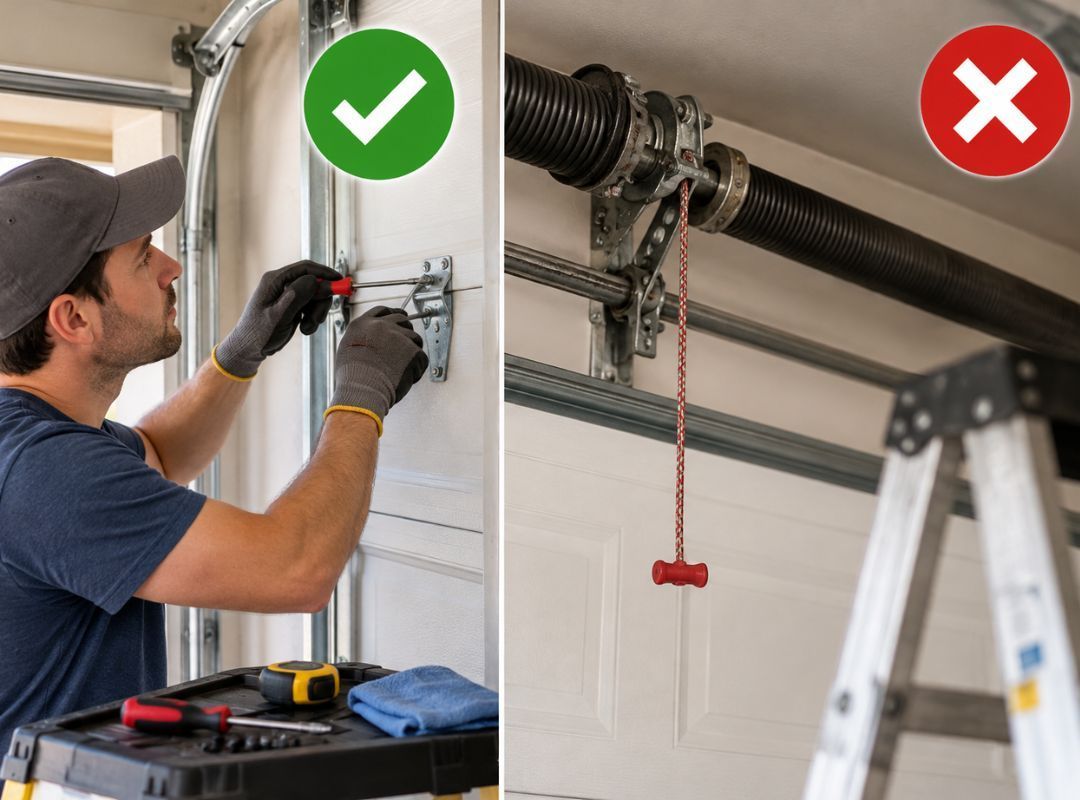
Skipping a required permit can lead to stop-work orders, fines, or trouble when you sell. Safe work matters as much as paperwork, as this DIY garage door repair guide explains. If your door is aging, these signs of wear may mean it's time to replace it.
Conclusion
Before buying a new garage door or starting an installation, talk with a qualified local contractor. Review the door dimensions, opener requirements, and property layout in advance to identify potential issues and clarify whether permits or approvals are needed.
Fayetteville Garage Door Co. brings decades of local experience to residential garage door projects and new construction. Contact the team to discuss your plans, understand the installation requirements, and determine the next steps for your property. Addressing permit requirements early can help prevent delays and keep your project on track.
What Else Do Homeowners Ask?
Do I need a permit to replace a garage door opener?
It depends on whether you need new wiring. A plug-in swap on an existing outlet differs from new electrical work, so confirm with the city.
Does HOA approval replace a city permit?
No. HOA approval covers neighborhood rules, while a city permit covers building safety. You may need both.
What happens if I skip a required permit?
You may face stop-work orders, fines, or required rework. It can also complicate a future home sale or insurance claim.
Can my contractor handle the permit?
Often yes, but ask them in advance. Confirm who applies, who pays the fee, and who schedules the inspection.
Does insurance cover garage door repairs?
It depends on the cause and the policy. Storm or accident damage may qualify, but wear and tear usually does not. Check with your insurer first.