Automatic Gate Installation and Repair: What NWA Homeowners Should Know
An automatic gate adds a layer of security, privacy, and curb appeal that a standard driveway cannot match. For homeowners across Northwest Arkansas, more properties are adding gated entrances, whether for long rural driveways, shared access roads, or added peace of mind around the home.
Before moving forward with automatic gate installation, it helps to understand how these systems work, what factors affect cost and performance, and what ongoing repair needs typically look like.
Why Homeowners in NWA Are Adding Automatic Gates
Northwest Arkansas has a mix of rural acreage, wooded lots, and growing suburban developments, and each property type brings different reasons for wanting a gate. Rural homeowners often want a physical barrier at the end of a long driveway, while suburban homeowners are frequently focused on privacy and controlling who approaches the house.
Security is usually the top motivator, but many homeowners also mention the cost of installing an automatic gate as one of their first questions once they start researching the idea seriously.
Types of Automatic Gates
Swing Gates
Swing gates open outward or inward on hinges, similar to a large door. They work well on properties with enough clearance space and tend to have a classic, traditional look that suits many rural and suburban homes alike.
Slide Gates
Slide gates move horizontally along a track and are often chosen for driveways where space is limited, or the ground has a noticeable slope. They generally require less clearance than a swing gate to operate safely.
Barrier Arm Gates
Barrier arm gates lift a horizontal arm rather than moving an entire panel. These are more common on shared access roads or larger properties where a full gate panel is not necessary.

What Automatic Gate Installation Involves
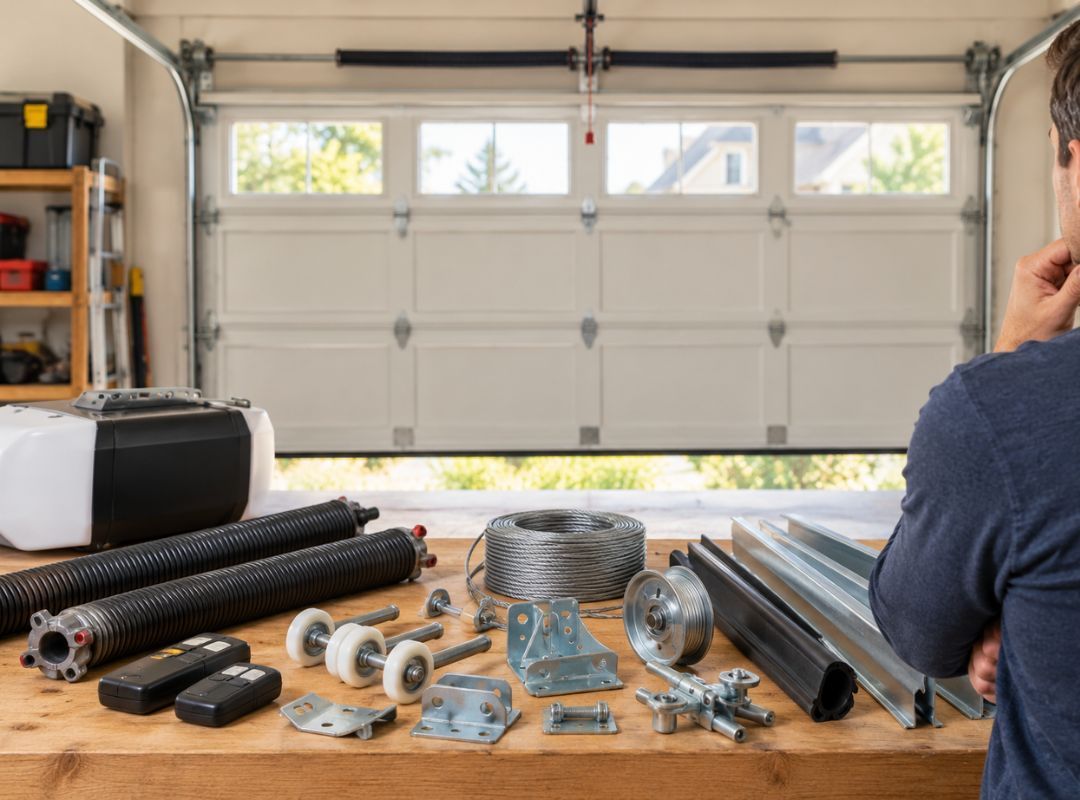
A proper automatic gate installation typically includes several components working together: the gate itself, a motor or operator, safety sensors, and an access control method such as a keypad, remote, or intercom system.
Ground conditions matter significantly. Soil type, slope, and distance from a power source all influence how the system should be installed and whether additional electrical work is required. A site evaluation before installation helps avoid costly surprises later.
Common Automatic Gate Repair Issues
Motor and Operator Problems
The motor is the component doing the physical work of opening and closing the gate. Over time, wear, weather exposure, and electrical issues can cause the motor to slow down, stall, or stop responding altogether.
Sensor Malfunctions
Safety sensors prevent the gate from closing on a vehicle, person, or object in its path. When these sensors get dirty, misaligned, or damaged, the gate may refuse to close or reverse unexpectedly.
Track and Hardware Wear
Slide gates depend on a clean, properly aligned track. Debris buildup, rust, or worn rollers can cause the gate to stick, grind, or move unevenly, which is a common reason homeowners search for automatic gate repair near me once the problem becomes noticeable.
Access Control Failures
Keypads, remotes, and intercoms rely on consistent power and connectivity. A gate that does not respond to a remote or keypad often indicates a wiring issue, a dead battery, or a programming problem rather than a mechanical failure.
Maintenance Tips to Extend Gate Life
Routine maintenance keeps most automatic gate systems running reliably for years. Periodically checking hinges, tracks, and sensors for debris or misalignment catches small problems before they turn into bigger repairs.
Weather exposure is a real factor in this region, with humidity, temperature swings, and seasonal storms all putting extra strain on outdoor equipment. Scheduling a seasonal inspection helps identify wear caused by these conditions before it affects daily use.
Choosing the Right Professional for Installation or Repair
Because automatic gates combine mechanical, electrical, and safety components, it is important to work with a qualified technician who specializes in gate systems. Ask about experience with your specific gate type, warranty coverage, and how quickly they can respond if a repair becomes urgent.
Getting multiple opinions before committing to a full automatic gate installation project can also help homeowners compare pricing, timelines, and recommended equipment for their specific property layout.
Frequently Asked Questions
How long does automatic gate installation typically take?
Installation timelines vary depending on gate type and site conditions, but most residential projects are completed within a few days.
Do automatic gates need a backup power source?
Many systems include battery backup so the gate can still operate briefly during a power outage, which is worth asking about.
Can an existing manual gate be automated?
In many cases, yes, though it depends on the gate’s current condition, weight, and whether the structure can support an operator.
How often should an automatic gate be serviced?
An annual inspection is generally recommended, though frequently used gates may benefit from more frequent checkups.
What causes a gate to open or close too slowly?
Slow operation often indicates motor wear, low battery backup, or resistance somewhere along the track or hinges.
Final Thoughts
Automatic gates offer real security and convenience benefits for Northwest Arkansas homeowners, but choosing the right system and keeping up with maintenance makes a significant difference in how well it performs over time. Anyone considering installing an
automatic gate
or dealing with an existing system that needs attention should work with a licensed, experienced gate professional in their area to ensure the job is done safely and correctly.