Garage Door Parts Buying Guide: What Homeowners Should Know Before You Buy
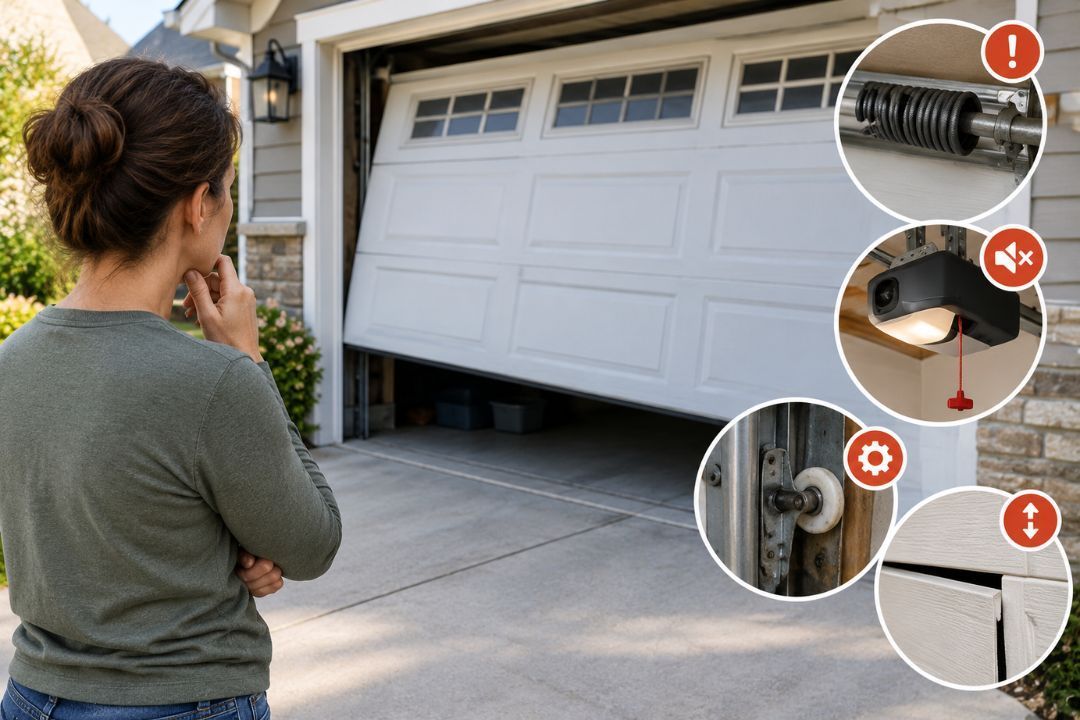
When a garage door starts making unusual noises, moves unevenly, or stops working properly, replacing a worn component may be all you need.
However, buying garage door parts is not as simple as choosing the first replacement that looks similar to the original. Garage doors use components designed to work together, and choosing the wrong size, type, or specification can affect performance and safety.
Before ordering a replacement, homeowners should understand which part they need, how to confirm compatibility, and when professional installation is the safer option.
From rollers and hinges to springs and cables, here is what you should know before buying.
What Are the Main Garage Door Parts Homeowners May Need to Replace?
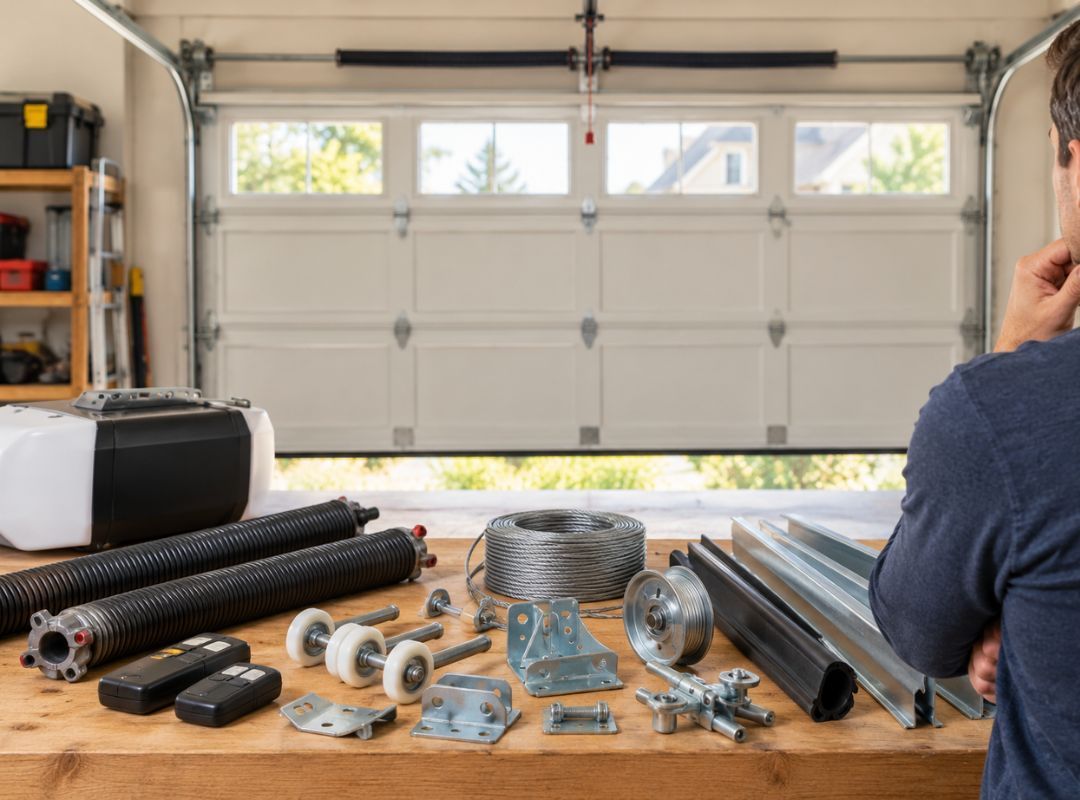
A residential garage door contains several mechanical components that work together to support, guide, balance, and operate the door. Common replacement components include springs, cables, rollers, hinges, tracks, brackets, weather seals, and opener-related hardware.
Each component serves a different purpose:
- Springs help counterbalance the weight of the door.
- Cables transfer the force from the spring system to help lift and lower the door.
- Rollers allow the door to travel smoothly through the tracks.
- Hinges connect the door sections and allow them to move as the door opens.
- Tracks guide the rollers and control the door's movement.
- Weather seals help reduce drafts, moisture, dirt, and debris entering the garage.
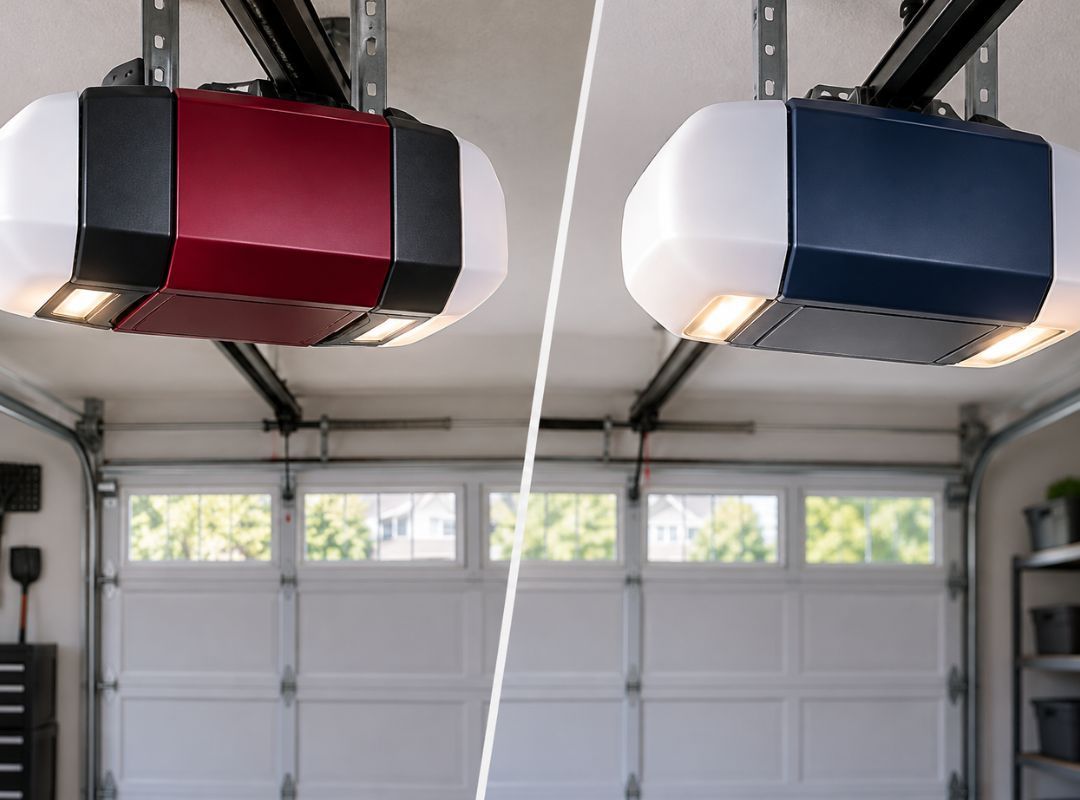
- Opener components control the automatic opening and closing system.
How Do You Know Which Garage Door Part You Need?
The symptoms your garage door is experiencing can provide clues about the faulty component, but they do not always identify the problem with certainty.
For instance, noisy operation might be attributed to the wear and tear of the rollers, hinges, or any other hardware components. Heavy door might have problems with springs. Fraying wires might suggest the lifting system should be fixed, while bent tracks can make the door immovable.
Instead of purchasing a part based solely on appearance, inspect the existing component and check the manufacturer information for the garage door.
What Should You Check for Garage Door Parts Compatibility?
Compatibility is one of the most important considerations when buying replacement garage door parts. Two parts may look almost identical but have different dimensions, materials, load ratings, or mounting requirements.
Before ordering, check:
- Garage door manufacturer and model
- Door size and weight
- Part dimensions
- Roller stem length and roller type
- Spring type and specifications
- Cable size and configuration
- Hinge size and position
- Track configuration
- Opener model and compatible hardware
Should You Choose Nylon or Steel Garage Door Rollers?
Rollers are among the components homeowners commonly replace because they experience repeated movement every time the door opens and closes.
Nylon rollers are generally quieter and can provide smooth operation with relatively low maintenance. Steel rollers are known for their strength and durability but can produce more operating noise. Bearing-equipped rollers are another option designed to reduce friction and improve movement.
The best choice depends on your door, usage, budget, and desired noise level. If your existing rollers are cracked, excessively noisy, or showing significant wear, replacement may improve the door's operation.
What Should Homeowners Know Before Buying Garage Door Springs?
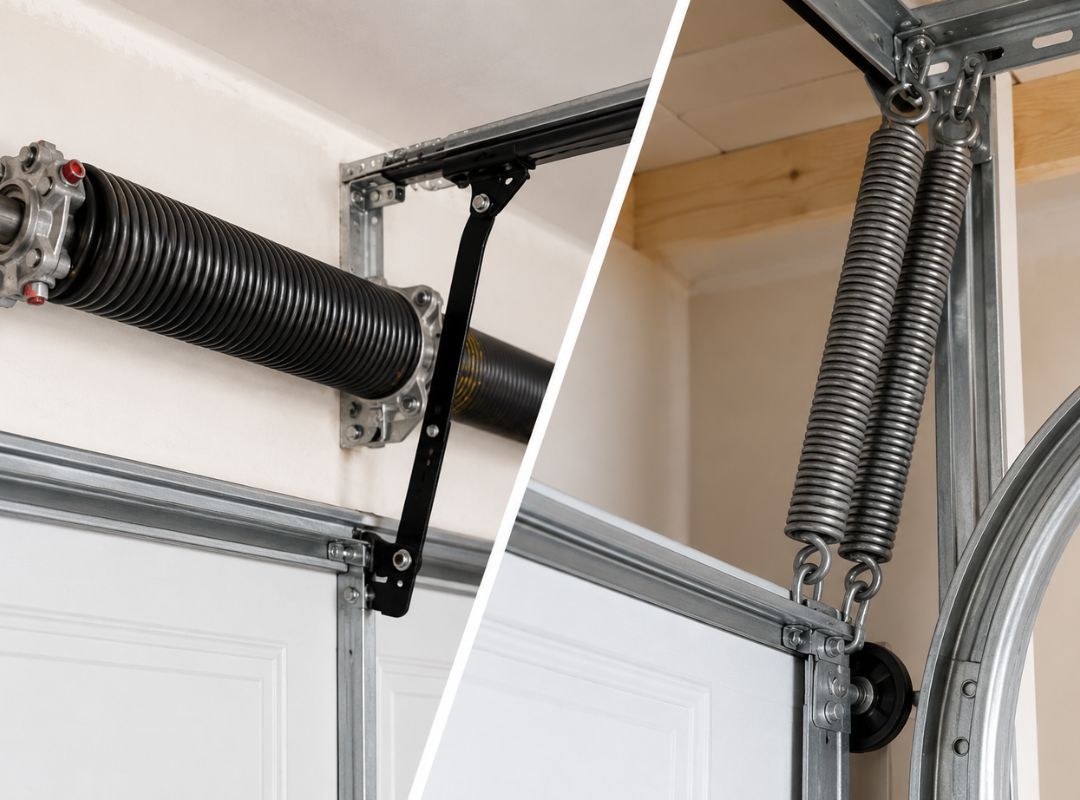
Garage door springs require particular caution. They counterbalance the weight of the door and can store significant mechanical energy. Torsion and extension springs are different systems and are not interchangeable simply because they appear similar.
When purchasing a spring, factors such as spring dimensions, wire size, inside diameter, length, and door weight can matter. Buying a spring based only on its appearance or color is not a reliable way to determine compatibility.
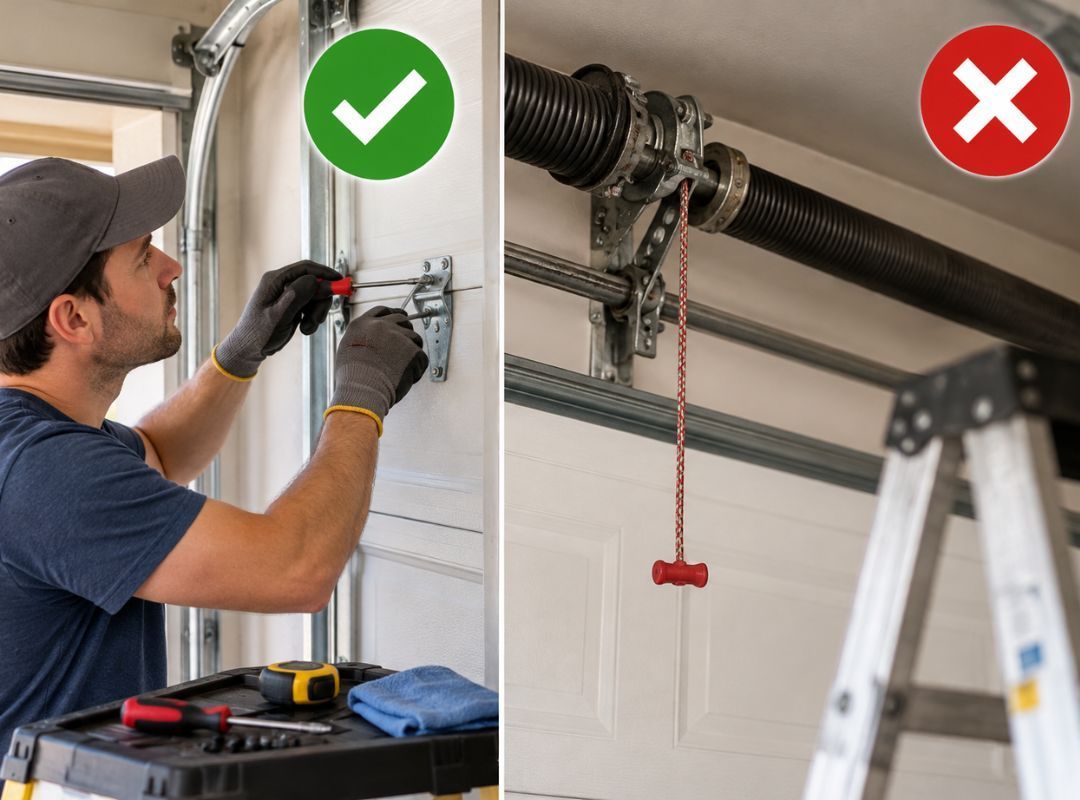
More importantly, spring replacement is generally not a suitable DIY project for inexperienced homeowners. Incorrect handling can result in serious injury. If you suspect a broken or damaged spring, have a qualified garage door technician inspect the system and recommend the correct replacement.
How Can You Make Sure Your New Garage Door Parts Last?
Buying the correct component is only part of the process. Proper installation and ongoing maintenance also contribute to reliable garage door performance.
Keep tracks free of dirt and debris, inspect rollers and hinges for visible wear, and watch for changes in the way the door sounds or moves. Regular professional inspections can also identify worn components before they develop into more serious problems.
If a replacement part repeatedly fails, the issue may not be the component itself. Misalignment, improper installation, excessive door weight, or another worn component could be contributing to the problem.
Get Professional Help From Fayetteville Garage Door Co.
When you need replacement garage door parts, Fayetteville Garage Door Co. can help you determine the right solution, rather than leaving you to guess which component to purchase. Fayetteville Garage Door Co. provides residential and commercial garage door installation, repair, maintenance, inspections, opener services, and replacement parts and hardware.
Frequently Asked Questions
What are the most common garage door parts that need replacement?
Springs, rollers, cables, hinges, weather seals, and opener components are among the parts that may eventually require replacement because of normal wear and repeated use.
How do I know if a garage door part is compatible with my door?
Check the door's manufacturer, model, dimensions, and the specifications of the existing component. For complex parts, professional identification can help ensure you purchase the correct replacement.
Can I replace garage door springs myself?
Spring replacement can be dangerous because garage door springs store significant energy. It is generally safer to have a qualified garage door professional inspect and replace them.
Are nylon garage door rollers better than steel rollers?
Nylon rollers are typically quieter, while steel rollers are known for strength and durability. The right choice depends on your garage door, operating conditions, and performance preferences.